Ratko Mladić, convicted Bosnian Serb general, dies in UN custody at 84
The former commander died in the UN detention centre in The Hague while serving a life sentence for genocide, war crimes and crimes against humanity.
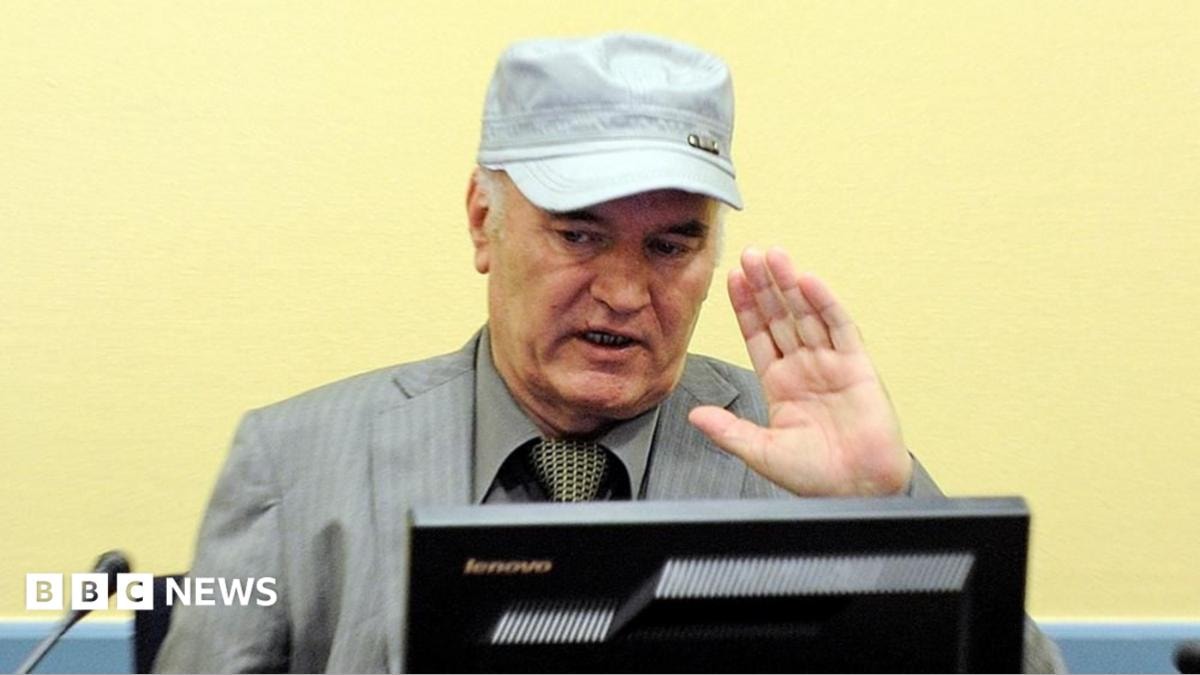
Ratko Mladić, the Bosnian Serb military commander convicted of genocide for the 1995 Srebrenica massacre and the siege of Sarajevo, has died in the United Nations detention centre in The Hague. He was 84. The death was confirmed on Thursday by the International Residual Mechanism for Criminal Tribunals, which said Mladić "passed away today while hospitalised in The Hague."
Mladić was serving a life sentence after being found guilty in 2017 of genocide, war crimes and crimes against humanity for his role as commander of the Army of Republika Srpska during the 1992–95 war in Bosnia. The UN court's top judge, Graciela Gatti Santana, has ordered "a full inquiry into the circumstances" of his death, according to a statement from the tribunal. Dutch authorities have also begun an investigation.
The former general had been in declining health. His lawyers said he had been bedbound or in a wheelchair for a long time and had suffered a suspected stroke that left him almost unable to speak. In May, a UN judge rejected a bid for his release, acknowledging his situation was "dire" but ruling that he was receiving "comprehensive and compassionate treatment" in prison. A UN doctor said in early August that Mladić's death "may occur at any time", possibly within weeks.
Mladić was one of the most notorious figures of the Bosnian war, which killed more than 100,000 people and left more than 1 million homeless. As commander of Bosnian Serb forces, he oversaw the 1,425-day siege of Sarajevo, where more than 10,000 people died from shelling and sniper fire. His troops also carried out the massacre of about 8,000 Bosniak men and boys after the fall of the UN-declared safe area of Srebrenica in July 1995, the worst atrocity in Europe since the Second World War.
He went on the run after the war and was arrested in Serbia in 2011 after 16 years as a fugitive. His trial at The Hague began in 2012 and ended with a life sentence in 2017. The conviction was upheld on appeal in 2021.
Reactions to his death reflected Bosnia's enduring divisions. Hasan Hasanović, a Srebrenica survivor who lost his twin brother and father in the massacre, told the BBC that Mladić's death "does not bring closure because the people who were killed in Srebrenica cannot come back". He added that the legacy of genocide denial and a divided country persists.
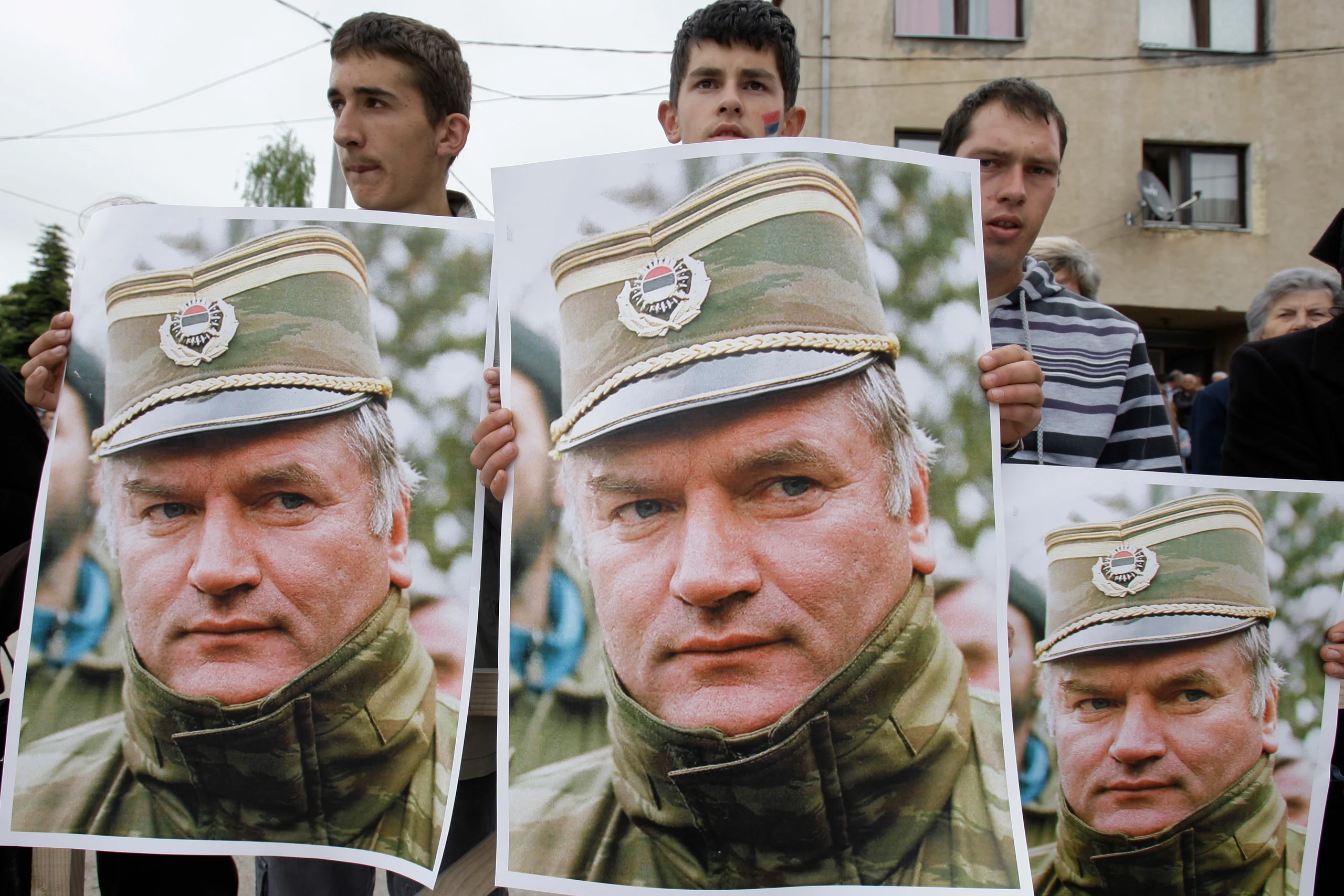
Munira Subašić of the Mothers of Srebrenica group said: "Today, a major war criminal died, the criminal of the Balkans." She deplored that many Bosnian Serbs still deny his crimes and view him as a hero.
In contrast, Bosnian Serb separatist leader Milorad Dodik told Reuters that Mladić "was respected by Serbian people. As a commander he stood to defend Serbs." Some residents of Belgrade also praised him. One man, identified only as Milan, said: "I genuinely believe he protected the Serbian people, because after all, that was his duty."
Elizabeth Evenson, international justice director at Human Rights Watch, said Mladić's death "is a reminder of the ongoing need for justice, truth" and accountability for the crimes of the Bosnian war.
 Bosnia and Herzegovina
 History
 Politics
 Ratko Mladić
 UN
UNAbout this story +
Research and drafting assisted by iFANN Intelligence
- Bosnian Serb general Ratko Mladic, who was serving a life sentence for genocide in the bloody 1992-95 war in Bosnia, has died in the United Nations detention center in The Hague, Belgrade's Informer: Reuters (X)
- Convicted Bosnian Serb war criminal Mladić dies aged 84: BBC World
- The monstrous crimes of Ratko Mladic, the 'Butcher of Bosnia': BBC World
- Convicted Bosnian Serb war criminal Ratko Mladić has died in prison aged 84, a senior UN official says https://t.co/jWcW90vPin: BBC Breaking (X)
- Ratko Mladić, the ‘Butcher of Bosnia’, dies aged 84: The Guardian · World
- Ratko Mladic, former general convicted of Bosnia genocide, dies https://t.co/RkuxEbFTNy https://t.co/RkuxEbFTNy: Reuters (X)
- Bosnian Serb general Ratko Mladic, convicted of genocide, has died, Serbian TV reports https://t.co/am6KRsYuvx https://t.co/am6KRsYuvx: Reuters (X)
- Reactions to death of Ratko Mladic, former general convicted of Bosnia genocide https://t.co/KImOtnQPC1 https://t.co/KImOtnQPC1: Reuters (X)
- Ratko Mladic, former general convicted of Bosnia genocide, dies https://t.co/vHtj8pNBN8 https://t.co/vHtj8pNBN8: Reuters (X)
- Reactions to death of Ratko Mladic, former general convicted of Bosnia genocide https://t.co/GnyeExjyMo https://t.co/GnyeExjyMo: Reuters (X)
- en.wikipedia.org
- bbc.com
- icty.org
- Ratko Mladić, the Bosnian Serb military commander convicted of genocide for the 1995 Srebrenica massacre and the siege of Sarajevo, has died in the United Nations detention centre in The Hague.confirmed
- He was 84.confirmed
- The death was confirmed on Thursday by the International Residual Mechanism for Criminal Tribunals, which said Mladić "passed away today while hospitalised in The Hague."confirmed
- Mladić was serving a life sentence after being found guilty in 2017 of genocide, war crimes and crimes against humanity for his role as commander of the Army of Republika Srpska during the 1992–95 war in Bosnia.confirmed
- The UN court's top judge, Graciela Gatti Santana, has ordered "a full inquiry into the circumstances" of his death, according to a statement from the tribunal.confirmed
- Dutch authorities have also begun an investigation.confirmed
- His lawyers said he had been bedbound or in a wheelchair for a long time and had suffered a suspected stroke that left him almost unable to speak.confirmed
- In May, a UN judge rejected a bid for his release, acknowledging his situation was "dire" but ruling that he was receiving "comprehensive and compassionate treatment" in prison.confirmed
- A UN doctor said in early August that Mladić's death "may occur at any time", possibly within weeks.confirmed
- Mladić was one of the most notorious figures of the Bosnian war, which killed more than 100,000 people and left more than 1 million homeless.confirmed
- As commander of Bosnian Serb forces, he oversaw the 1,425-day siege of Sarajevo, where more than 10,000 people died from shelling and sniper fire.confirmed
- His troops also carried out the massacre of about 8,000 Bosniak men and boys after the fall of the UN-declared safe area of Srebrenica in July 1995, the worst atrocity in Europe since the Second World War.confirmed
- He went on the run after the war and was arrested in Serbia in 2011 after 16 years as a fugitive.confirmed
- His trial at The Hague began in 2012 and ended with a life sentence in 2017.confirmed
- The conviction was upheld on appeal in 2021.confirmed
- Hasan Hasanović, a Srebrenica survivor who lost his twin brother and father in the massacre, told the BBC that Mladić's death "does not bring closure because the people who were killed in Srebrenica cannot come back".confirmed
- He added that the legacy of genocide denial and a divided country persists.confirmed
- Munira Subašić of the Mothers of Srebrenica group said: "Today, a major war criminal died, the criminal of the Balkans."confirmed
- She deplored that many Bosnian Serbs still deny his crimes and view him as a hero.confirmed
- In contrast, Bosnian Serb separatist leader Milorad Dodik told Reuters that Mladić "was respected by Serbian people. As a commander he stood to defend Serbs."confirmed
- Some residents of Belgrade also praised him.confirmed
- One man, identified only as Milan, said: "I genuinely believe he protected the Serbian people, because after all, that was his duty."confirmed
- Elizabeth Evenson, international justice director at Human Rights Watch, said Mladić's death "is a reminder of the ongoing need for justice, truth" and accountability for the crimes of the Bosnian war.confirmed
- Reactions to his death reflected Bosnia's enduring divisions.confirmed