New wild cat species identified in Bolivia, first in over a century
Researchers have officially described Leopardus tilcayo, a diminutive spotted feline from the Yungas cloud forest, after genetic analysis confirmed it as a distinct species.
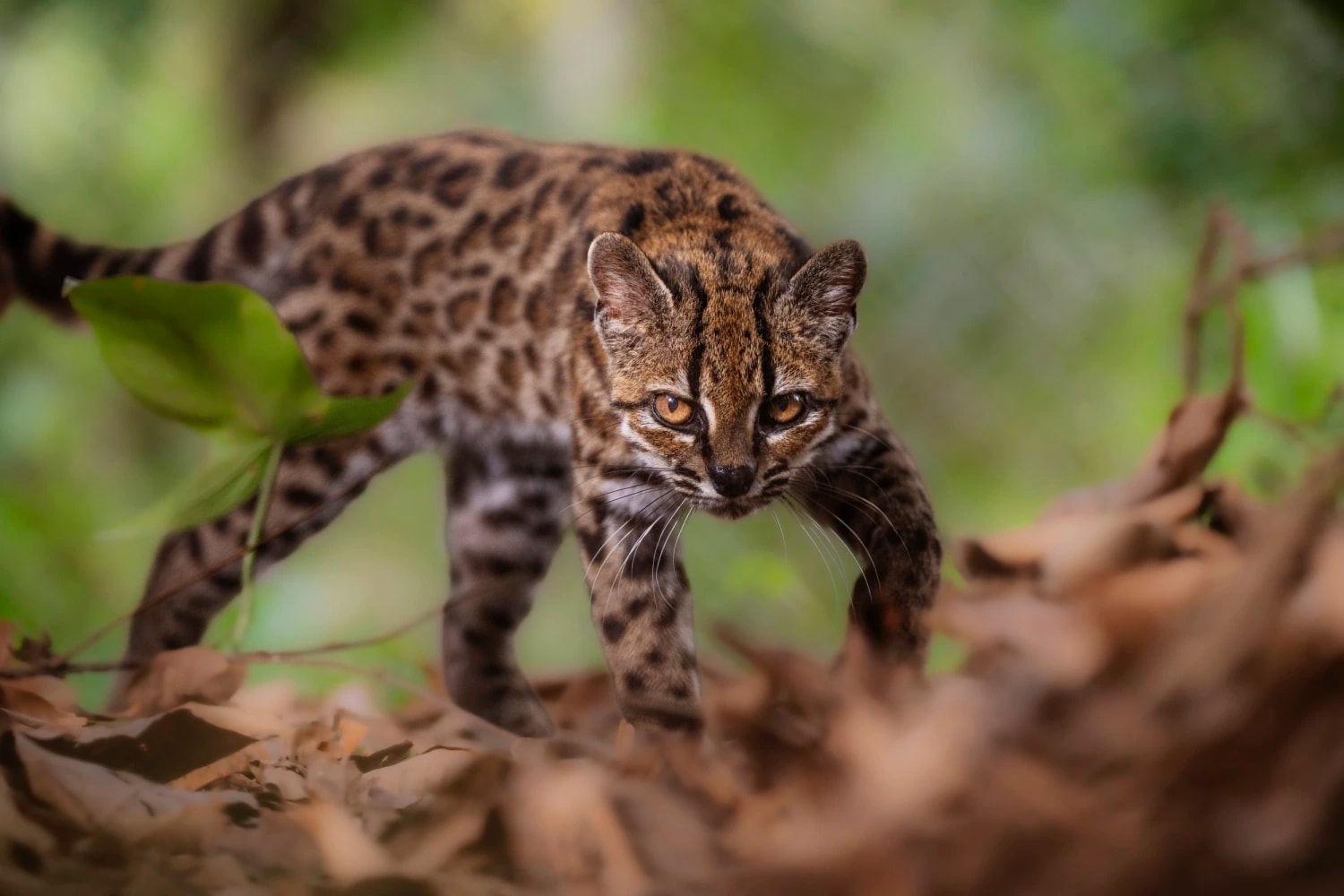
The discovery has drawn immediate attention from conservationists, who say it underscores how much biodiversity remains undocumented in South America's threatened cloud forests. "It's amazing that there are still new species waiting to be discovered: we don't have to go to a volcano, an island, or deep into the sea," said Paola Nogales-Ascarrunz, a National Geographic explorer and co-author of the study, according to the BBC.
The new species, Leopardus tilcayo, was formally described Thursday in the journal Current Biology. It is the first new living cat species named in more than a century, since the Uruguayan pampas cat was described in 1923, according to Live Science.
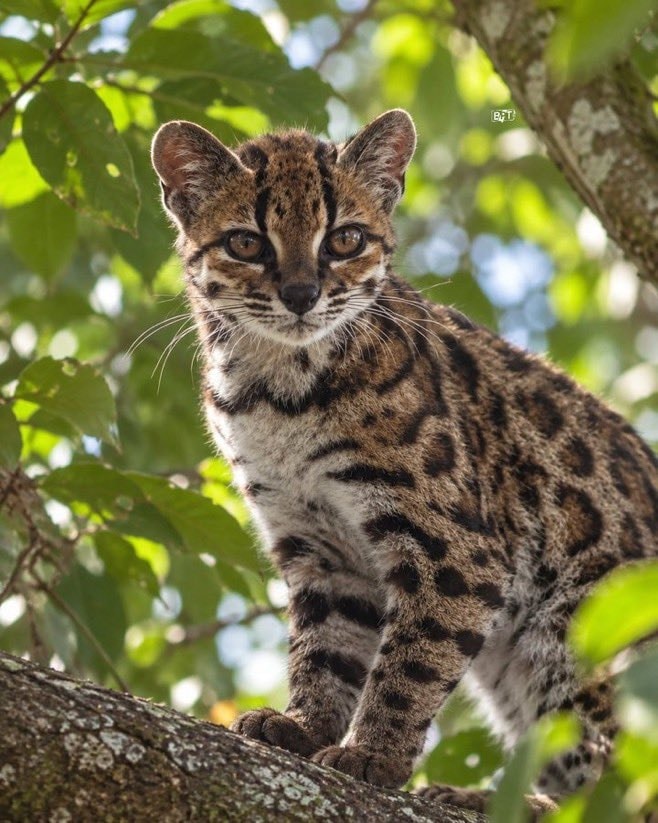
The tilcayo is a small, spotted wild cat that lives in the Yungas forest of Bolivia, a mountainous region where the Andes meet the Amazon basin. It measures about 18 inches long and weighs roughly 3 pounds, smaller than the average domestic cat, The Guardian reported.
Researchers confirmed the new species through genetic analysis, not appearance alone. Tiger cats are cryptic species, meaning different species look nearly identical and can be distinguished only by DNA or subtle differences in markings, according to The Guardian.
The study analyzed DNA from 38 cats sampled across South and Central America, including eight museum specimens. It found that tiger cats, previously treated as a single species, are actually five genetically distinct species, The Guardian reported.
The tilcayo lineage diverged from other tiger cats about 1.4 million years ago, a genetic distance comparable to that between modern lions and extinct cave lions, according to National Geographic.
Only two live individuals have been examined, one of which is a 10-year-old male named Tigrino living at the Senda Verde wildlife sanctuary in Bolivia. Tigrino was brought to the sanctuary after a local resident kept him for about a year, mistakenly believing he was a domestic kitten, according to National Geographic and the BBC.
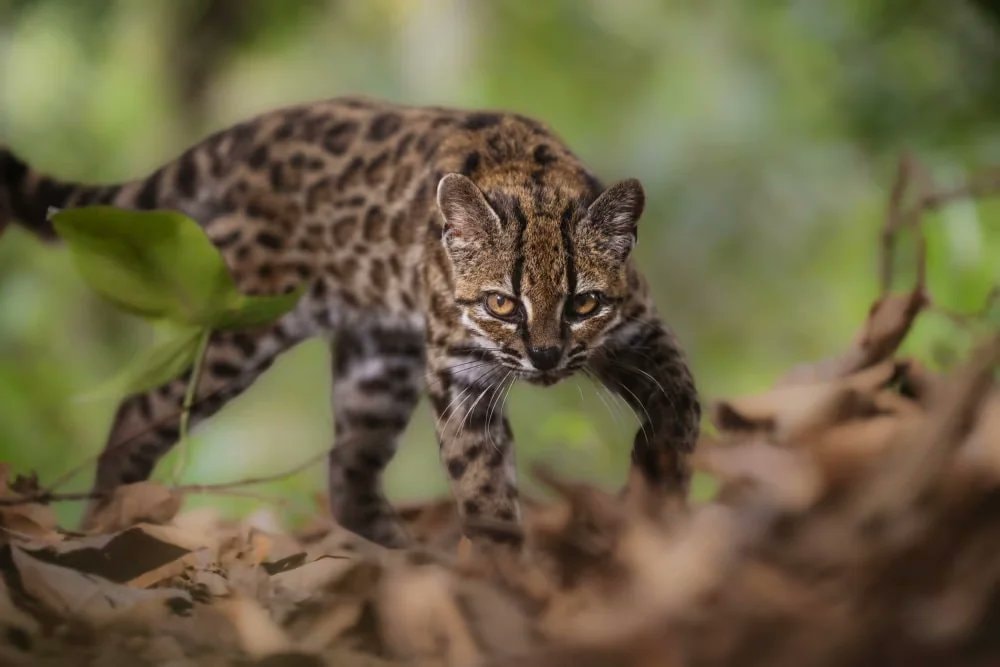
The cat's biology remains largely unknown. Remains of small rodents in scat samples suggest they may form part of its diet, and camera-trap evidence indicates it could be more active at night, Nogales-Ascarrunz told The Guardian.
The discovery also has conservation implications. The International Union for Conservation of Nature currently lists tiger cats as two vulnerable species with declining populations. Researchers have shared their findings with the IUCN, whose upcoming review will assess the five lineages separately, which could lead to the tilcayo being considered endangered when evaluated on its own, according to The Guardian.
The Yungas forest is one of the region's most threatened ecosystems, facing growing pressure from deforestation, agricultural expansion, human-caused fires and mining, Nogales-Ascarrunz said. "Showing the general public that even in a flagship group such as cats … there are still new species to be discovered may transmit an important message," said Eduardo Eizirik, a senior author of the study. "There are many undiscovered species out there in the world, and they are at risk of disappearing before we even discover them."
 Bolivia
 Science
About this story +
Research and drafting assisted by iFANN Intelligence
- A new species of cat has been found for the first time in over 100 years. : Pop Base (X)
- New cat species identified in Bolivia, first in over a century https://t.co/jFXtWYKTIo https://t.co/jFXtWYKTIo: Reuters (X)
- New cat species identified in Bolivia for first time in more than a century: The Guardian · World
- First new cat species in over 100 years has been discovered.: Pop Crave (X)
- New cat species identified in Bolivia, first in over a century https://t.co/oyGUQ5lcWv https://t.co/oyGUQ5lcWv: Reuters (X)
- New wild cat species discovered - with only one known living member: BBC Science & Environment
- nbcnews.com
- nationalgeographic.com
- livescience.com
- y100.iheart.com
- english.elpais.com
- The discovery has drawn immediate attention from conservationists, who say it underscores how much biodiversity remains undocumented in South America's threatened cloud forests.confirmed
- "It's amazing that there are still new species waiting to be discovered: we don't have to go to a volcano, an island, or deep into the sea," said Paola Nogales-Ascarrunz, a National Geographic explorer and co-author of the study, according to the BBC.confirmed
- The new species, Leopardus tilcayo, was formally described Thursday in the journal Current Biology.confirmed
- It is the first new living cat species named in more than a century, since the Uruguayan pampas cat was described in 1923, according to Live Science.confirmed
- The tilcayo is a small, spotted wild cat that lives in the Yungas forest of Bolivia, a mountainous region where the Andes meet the Amazon basin.confirmed
- It measures about 18 inches long and weighs roughly 3 pounds, smaller than the average domestic cat, The Guardian reported.confirmed
- Researchers confirmed the new species through genetic analysis, not appearance alone.confirmed
- Tiger cats are cryptic species, meaning different species look nearly identical and can be distinguished only by DNA or subtle differences in markings, according to The Guardian.confirmed
- The study analyzed DNA from 38 cats sampled across South and Central America, including eight museum specimens.confirmed
- It found that tiger cats, previously treated as a single species, are actually five genetically distinct species, The Guardian reported.confirmed
- The tilcayo lineage diverged from other tiger cats about 1.4 million years ago, a genetic distance comparable to that between modern lions and extinct cave lions, according to National Geographic.confirmed
- Only two live individuals have been examined, one of which is a 10-year-old male named Tigrino living at the Senda Verde wildlife sanctuary in Bolivia.confirmed
- Tigrino was brought to the sanctuary after a local resident kept him for about a year, mistakenly believing he was a domestic kitten, according to National Geographic and the BBC.confirmed
- Remains of small rodents in scat samples suggest they may form part of its diet, and camera-trap evidence indicates it could be more active at night, Nogales-Ascarrunz told The Guardian.confirmed
- The International Union for Conservation of Nature currently lists tiger cats as two vulnerable species with declining populations.confirmed
- Researchers have shared their findings with the IUCN, whose upcoming review will assess the five lineages separately, which could lead to the tilcayo being considered endangered when evaluated on its own, according to The Guardian.confirmed
- The Yungas forest is one of the region's most threatened ecosystems, facing growing pressure from deforestation, agricultural expansion, human-caused fires and mining, Nogales-Ascarrunz said.confirmed
- "Showing the general public that even in a flagship group such as cats … there are still new species to be discovered may transmit an important message," said Eduardo Eizirik, a senior author of the study.confirmed
- "There are many undiscovered species out there in the world, and they are at risk of disappearing before we even discover them."confirmed
- The cat's biology remains largely unknown.confirmed