Glacier Collapse Triggers Deadly Floods on Nepal-Tibet Border
Scientists say a massive ice-rock avalanche from a collapsing Himalayan glacier sent a wall of water and debris through border valleys, with hundreds still missing.
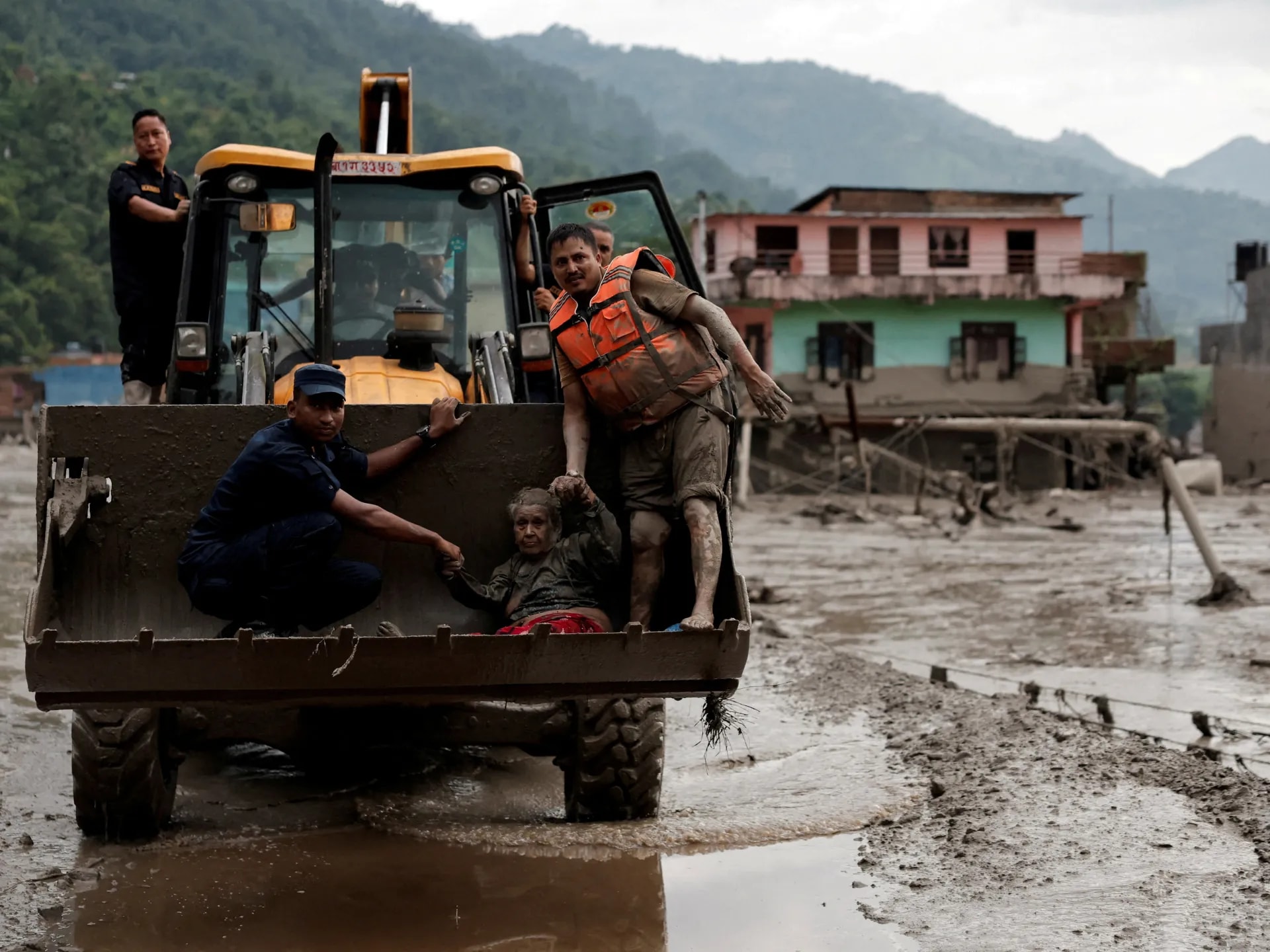
The United States Geological Survey said the disaster was caused by a "glacial collapse", revising an earlier report of a magnitude 4.4 earthquake. The agency determined that the seismic signal, measured at magnitude 5.2, was generated by the glacier's failure and the debris flow it triggered, not by a tectonic event. Scientists from the International Centre for Integrated Mountain Development said an ice-rock avalanche from a high-altitude area sent a large volume of ice and rock debris into the Lende Khola, a tributary of the Bhote Koshi river.
The surge raised water levels downstream by seven to nine metres within 30 minutes, washing away monitoring stations, bridges and roads. Nepal police reported 826 people missing, including almost 600 foreign tourists, while Chinese state broadcaster CCTV said 558 were missing in Tibet's Gyirong County, including 260 foreign nationals. The missing include pilgrims travelling towards Kailash Mansarovar and tourists from more than two dozen countries.
Rescue efforts have been complicated by damaged roads, high river levels and deep sediment. More than 5,000 Nepalese army and police personnel have been mobilised, with helicopters searching for survivors and delivering supplies. At least 19 bridges and about 40 kilometres of roads were destroyed.
The exact trigger for the glacier's collapse remains unclear. Nepali officials have pointed to a regional earthquake as a possible catalyst, while scientists caution that rising temperatures and melting permafrost are destabilising high-mountain environments and increasing the frequency of such hazards. Climate researchers said the disaster is part of a broader pattern of accelerating glacier loss in the Hindu Kush Himalaya.
An analysis released earlier this year by ICIMOD found that glaciers in the region are losing ice at double the rate recorded since 2000, exacerbating risks of floods and landslides. The Lende Khola river system has now flooded twice in 14 months. Last August, a glacial lake in Tibet overflowed because of high temperatures, killing nine people and damaging a bridge connecting Nepal and China.
The pace of change is so rapid that current efforts are struggling to keep up. While no single event can be attributed solely to climate change, the pattern of warming-driven destabilisation is clear, they said.
 Tibet
Tibet Nepal
NepalAbout this story +
Research and drafting assisted by iFANN Intelligence
- The United States Geological Survey said the disaster was caused by a "glacial collapse", revising an earlier report of a magnitude 4.4 earthquake.confirmed
- The agency determined that the seismic signal, measured at magnitude 5.2, was generated by the glacier's failure and the debris flow it triggered, not by a tectonic event.confirmed
- Scientists from the International Centre for Integrated Mountain Development said an ice-rock avalanche from a high-altitude area sent a large volume of ice and rock debris into the Lende Khola, a tributary of the Bhote Koshi river.confirmed
- The surge raised water levels downstream by seven to nine metres within 30 minutes, washing away monitoring stations, bridges and roads.confirmed
- Nepal police reported 826 people missing, including almost 600 foreign tourists, while Chinese state broadcaster CCTV said 558 were missing in Tibet's Gyirong County, including 260 foreign nationals.confirmed
- The missing include pilgrims travelling towards Kailash Mansarovar and tourists from more than two dozen countries.confirmed
- Rescue efforts have been complicated by damaged roads, high river levels and deep sediment.confirmed
- More than 5,000 Nepalese army and police personnel have been mobilised, with helicopters searching for survivors and delivering supplies.confirmed
- At least 19 bridges and about 40 kilometres of roads were destroyed.confirmed
- The exact trigger for the glacier's collapse remains unclear.confirmed
- Nepali officials have pointed to a regional earthquake as a possible catalyst, while scientists caution that rising temperatures and melting permafrost are destabilising high-mountain environments and increasing the frequency of such hazards.confirmed
- Climate researchers said the disaster is part of a broader pattern of accelerating glacier loss in the Hindu Kush Himalaya.confirmed
- An analysis released earlier this year by ICIMOD found that glaciers in the region are losing ice at double the rate recorded since 2000, exacerbating risks of floods and landslides.confirmed
- The Lende Khola river system has now flooded twice in 14 months.confirmed
- Last August, a glacial lake in Tibet overflowed because of high temperatures, killing nine people and damaging a bridge connecting Nepal and China.confirmed
- The pace of change is so rapid that current efforts are struggling to keep up.confirmed
- While no single event can be attributed solely to climate change, the pattern of warming-driven destabilisation is clear, they said.confirmed