Japan raises interest rate to 31-year high of 1.25% to curb inflation
The central bank's seventh hike in three years pushes borrowing costs to a 31-year high, but two dissenting board members raise doubts about further tightening.

Japanese borrowers face the steepest official interest rate in more than three decades after the Bank of Japan lifted its policy rate to 1.25 percent on Friday, a quarter-point increase that pushes the benchmark to its highest level since 1995. It is the sixth increase in two and a half years and follows moves by the US Federal Reserve and the European Central Bank to combat inflation driven in part by higher energy costs linked to the war in Iran. Two of the nine board members dissented, according to The Guardian and Reuters, a split that analysts said raises doubts about how quickly the bank will move again.
Fred Neumann, chief Asia economist at HSBC, said the tone of the statement and the dissents "leave lingering doubts that Japan's central bank will be cautious in tightening monetary policy further." The rate increase follows similar moves by other major central banks. The Federal Reserve raised its benchmark rate on Wednesday for the first time in over three years, while the European Central Bank increased borrowing costs earlier this month, according to the BBC.
Japan's core consumer inflation stood at 1.7 percent in August, down slightly from 1.8 percent the previous month but still close to the bank's 2 percent target. The central bank has said it will continue to raise the policy rate and adjust the degree of monetary easing in response to economic and price conditions. The yen has weakened sharply against the dollar this year, prompting Tokyo and Washington to jointly intervene in August after the currency hit a 40-year low.
US Treasury Secretary Scott Bessent has publicly pressured the Bank of Japan to raise rates to support the yen. "One of the world's last sources of ultra-cheap money is disappearing." The rate decision was widely anticipated.
The Bank of Japan's policy rate remains below the European Central Bank's key rate of 2.5 percent. Markets reacted with a fall in the yen and a rise in Japanese stocks. The Nikkei index gained nearly 2 percent, while two-year government bond yields fell four basis points to 1.82 percent, according to The Guardian.
European stock futures slipped 0.35 percent. The Bank of Japan has said it will consider the timing and pace of future adjustments while assessing the likelihood of stabilizing underlying inflation at around 2 percent. Analysts are divided on whether another hike could come as soon as December.
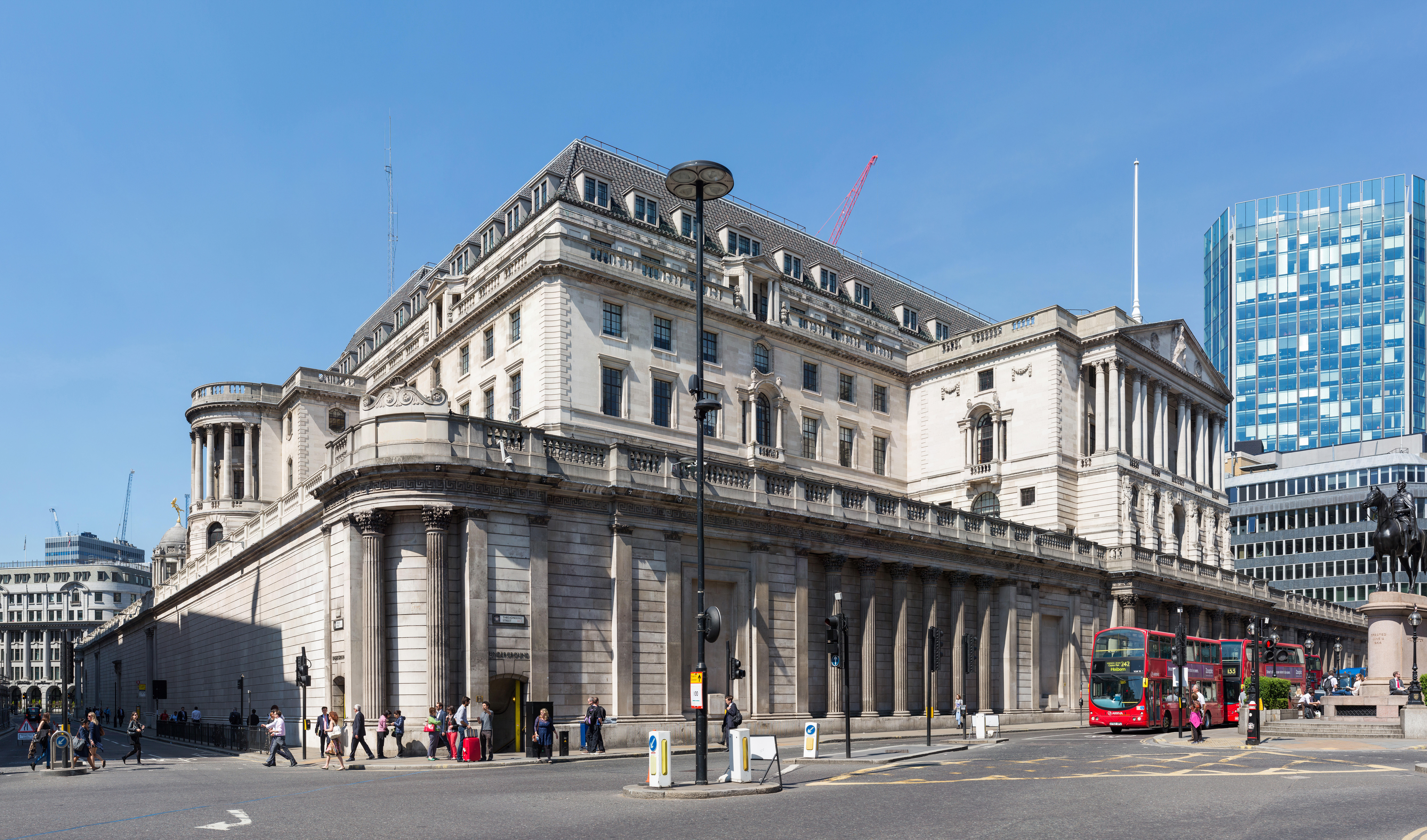 Bank of England
 Bank of Japan
 ECB
ECB Federal Reserve
 Finance
 Japan
Japan Kazuo Ueda
 Scott Bessent
About this story +
Research and drafting assisted by iFANN Intelligence
- Japan raises interest rate to new 31-year high to curb rising prices: BBC Business
- Japan's central bank has raised the benchmark interest rate to 1.25% from 1.0%, a 31-year-high. https://t.co/qjBFwih8xK: AP (X)
- The Bank of Japan raised interest rates to a 31-year high and signaled its readiness to keep pushing up borrowing costs, joining other major central banks in fighting persistent inflation pressures d: Reuters (X)
- Bank of Japan lifts rates to 31-year high, two board members dissent https://t.co/CFstjBk6rx https://t.co/CFstjBk6rx: Reuters (X)
- Japan raises interest rates to 31-year high to curb impact of rising prices: The Guardian · World
- BOJ live: Japan's central bank raises policy rate to 31-year high https://t.co/WvWKgjDYWO https://t.co/WvWKgjDYWO: Reuters (X)
- aljazeera.com
- bbc.co.uk
- abc.net.au
- thestar.com.my
- Japanese borrowers face the steepest official interest rate in more than three decades after the Bank of Japan lifted its policy rate to 1.25 percent on Friday, a quarter-point increase that pushes the benchmark to its highest level since 1995.confirmed
- It is the sixth increase in two and a half years and follows moves by the US Federal Reserve and the European Central Bank to combat inflation driven in part by higher energy costs linked to the war in Iran.confirmed
- Two of the nine board members dissented, according to The Guardian and Reuters, a split that analysts said raises doubts about how quickly the bank will move again.confirmed
- Fred Neumann, chief Asia economist at HSBC, said the tone of the statement and the dissents "leave lingering doubts that Japan's central bank will be cautious in tightening monetary policy further."confirmed
- The rate increase follows similar moves by other major central banks.confirmed
- The Federal Reserve raised its benchmark rate on Wednesday for the first time in over three years, while the European Central Bank increased borrowing costs earlier this month, according to the BBC.confirmed
- Japan's core consumer inflation stood at 1.7 percent in August, down slightly from 1.8 percent the previous month but still close to the bank's 2 percent target.confirmed
- The central bank has said it will continue to raise the policy rate and adjust the degree of monetary easing in response to economic and price conditions.confirmed
- The yen has weakened sharply against the dollar this year, prompting Tokyo and Washington to jointly intervene in August after the currency hit a 40-year low.confirmed
- US Treasury Secretary Scott Bessent has publicly pressured the Bank of Japan to raise rates to support the yen.confirmed
- "One of the world's last sources of ultra-cheap money is disappearing."confirmed
- The rate decision was widely anticipated.confirmed
- The Bank of Japan's policy rate remains below the European Central Bank's key rate of 2.5 percent.confirmed
- Markets reacted with a fall in the yen and a rise in Japanese stocks.confirmed
- The Nikkei index gained nearly 2 percent, while two-year government bond yields fell four basis points to 1.82 percent, according to The Guardian.confirmed
- European stock futures slipped 0.35 percent.confirmed
- The Bank of Japan has said it will consider the timing and pace of future adjustments while assessing the likelihood of stabilizing underlying inflation at around 2 percent.confirmed
- Analysts are divided on whether another hike could come as soon as December.confirmed