NASA rescue mission for Swift space telescope fails
Katalyst Space Technologies' Link satellite suffered a critical malfunction, leaving the aging observatory on course to re-enter Earth's atmosphere this fall.
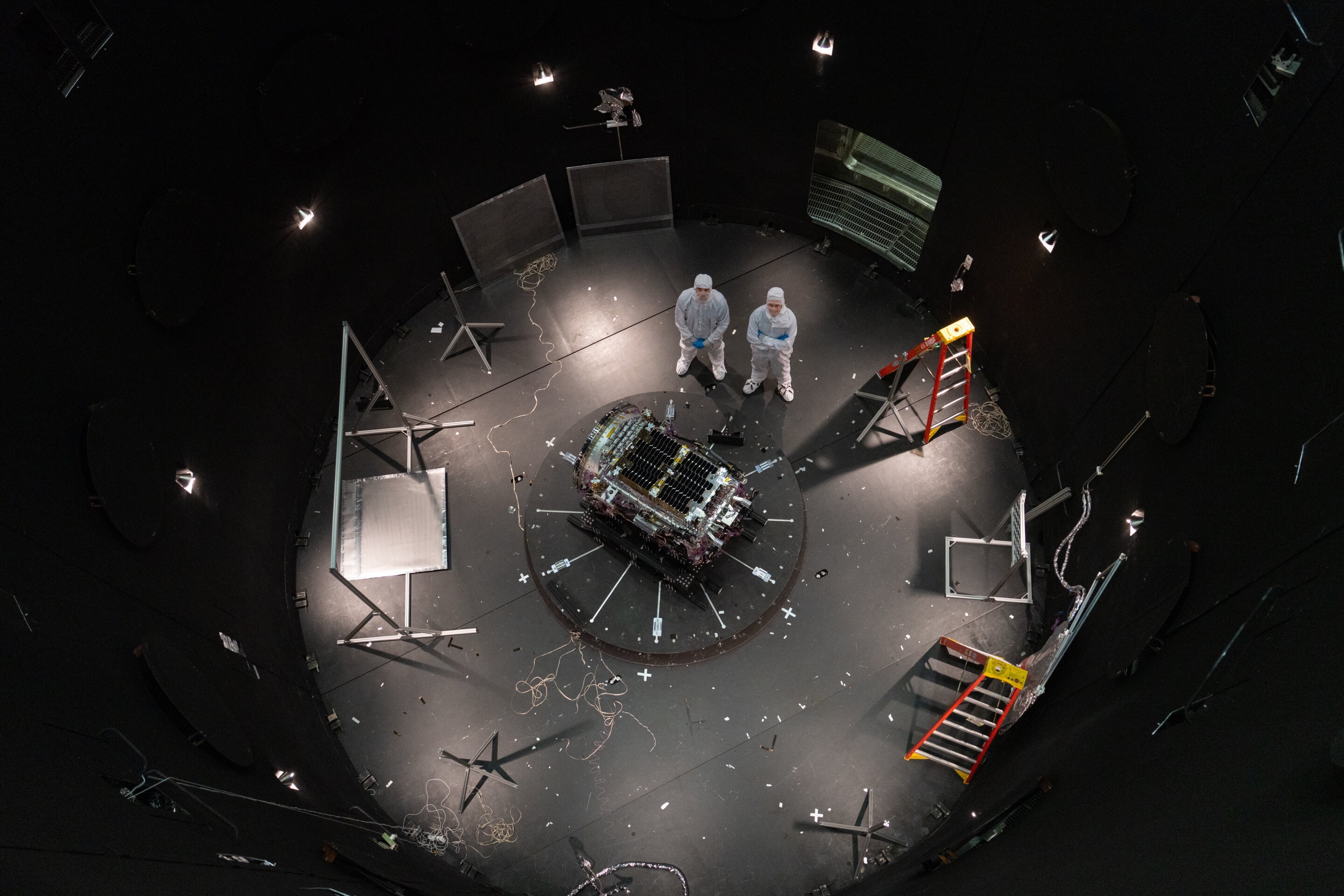
The Link satellite, built and operated by startup Katalyst Space Technologies, was designed to capture Swift and boost it into a higher orbit, but the mission failed after thruster problems caused an uncontrollable spin that disrupted communication, according to an Associated Press report published by phys.org. "The mission remains active and we continue to believe that with these changes, Link has a viable path to rendezvous with Swift," Katalyst said in a statement after the malfunction, though that hope has since faded. NASA is paying $30 million for the rescue effort, which was thrown together in under a year.
Swift has been descending faster than expected because of recent solar activity, and unless its orbit is raised, the observatory is expected to re-enter Earth's atmosphere as early as October, according to NASA. The rescue maneuver was intended to extend Swift's lifespan by raising its orbit from roughly 224 miles to about 373 miles, a feat attempted only once before, by China in 2022. Link, about the size of a small refrigerator with a 40-foot solar wingspan, was to use three robotic arms with finger-like grippers to latch onto the aging telescope.
"This is the first American space robot to go up and do anything like this," Lee told the Associated Press. "NASA has all these big senior observatories … all of them can benefit from a service like this. So what we're proving with this mission is this is a new play in the playbook that's available." If the mission had succeeded, Swift could have resumed scientific operations by September, Lee said.
Katalyst Space CEO Ghonhee Lee had said the mission represented a new capability for American space robotics.
 NASA
NASA Pepper Potts
 Science
About this story +
Research and drafting assisted by iFANN Intelligence
- The Link satellite, built and operated by startup Katalyst Space Technologies, was designed to capture Swift and boost it into a higher orbit, but the mission failed after thruster problems caused an uncontrollable spin that disrupted communication, according to an Associated Press report published by phys.org.confirmed
- "The mission remains active and we continue to believe that with these changes, Link has a viable path to rendezvous with Swift," Katalyst said in a statement after the malfunction, though that hope has since faded.confirmed
- NASA is paying $30 million for the rescue effort, which was thrown together in under a year.confirmed
- Swift has been descending faster than expected because of recent solar activity, and unless its orbit is raised, the observatory is expected to re-enter Earth's atmosphere as early as October, according to NASA.confirmed
- The rescue maneuver was intended to extend Swift's lifespan by raising its orbit from roughly 224 miles to about 373 miles, a feat attempted only once before, by China in 2022.confirmed
- Link, about the size of a small refrigerator with a 40-foot solar wingspan, was to use three robotic arms with finger-like grippers to latch onto the aging telescope.confirmed
- "This is the first American space robot to go up and do anything like this," Lee told the Associated Press.confirmed
- "NASA has all these big senior observatories … all of them can benefit from a service like this. So what we're proving with this mission is this is a new play in the playbook that's available."confirmed
- If the mission had succeeded, Swift could have resumed scientific operations by September, Lee said.confirmed
- Katalyst Space CEO Ghonhee Lee had said the mission represented a new capability for American space robotics.confirmed