Federal judge rules Trump admin illegally blacklisted Anthropic
A federal judge said the Pentagon's supply-chain risk designation against the AI company was 'illegal and baseless' and violated its First Amendment rights.
A federal judge has ruled that the Trump administration acted unlawfully when it blacklisted artificial intelligence company Anthropic from working with the federal government, concluding the move was retaliation for the company's public criticism of military AI policy.
U.S. District Judge Rita Lin issued a written order Thursday night declaring the Pentagon's actions "illegal and baseless." The ruling follows a preliminary injunction in March that temporarily blocked the Defense Department's designation of Anthropic as a supply-chain risk.
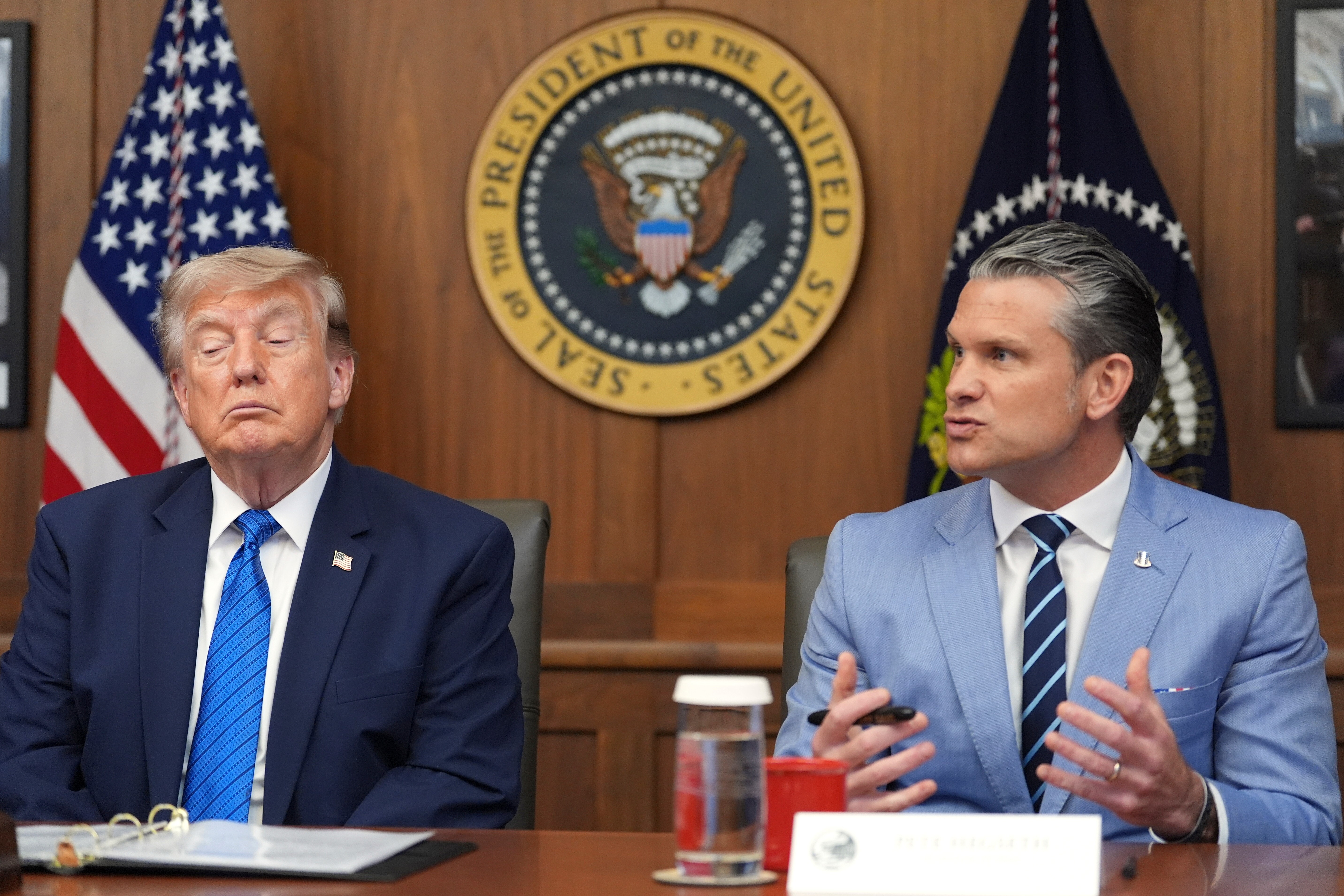
The dispute began in February when President Donald Trump and Defense Secretary Pete Hegeth accused Anthropic of endangering national security after the company refused to allow its Claude AI models to be used for military surveillance or autonomous weapons. The Pentagon then designated Anthropic a supply-chain risk, a label typically reserved for foreign companies that threaten U.S. security.
Judge Lin wrote that the government's actions "were based on a desire to make a public example out of Anthropic for its 'arrogance' in criticizing the government, not based on any articulable basis to believe that Anthropic would actually sabotage its model."
The judge added that citing national security "is not a blank check to punish and retaliate against government critics."
Anthropic argued in its lawsuit that the designation was an "unlawful campaign of retaliation" over its refusal to allow unrestricted military use of its technology, and that the label would cost it customers and revenue because it would bar Pentagon contractors from doing business with the company.
The company also said its First Amendment right to free speech had been violated.
Anthropic welcomed the ruling. "We remain focused on working productively with the government to harness AI for our national security so all Americans benefit from this technology," a spokesperson said.
The White House and the Pentagon did not immediately respond to requests for comment.
The ruling is a final judgment in one of two cases Anthropic filed in federal court in March. A separate, narrower case is still pending in the federal appeals court in Washington, D.C., involving a different rule the Pentagon is using to try to declare Anthropic a supply-chain risk.
Anthropic's primary rival, OpenAI, announced its own deal to work with the Pentagon just hours after the government punished Anthropic for its stance, according to the ruling.
The case has drawn wide attention as a test of how far the government can go in pressuring tech companies over their ethical positions on AI.
 Anthropic
 artificial intelligence
 Donald Trump
 OpenAI
 Pentagon
 Politics
About this story +
Research and drafting assisted by iFANN Intelligence
- A federal judge has ruled that the Trump administration acted unlawfully when it blacklisted artificial intelligence company Anthropic from working with the federal government, concluding the move was retaliation for the company's public criticism of military AI policy.confirmed
- U.S. District Judge Rita Lin issued a written order Thursday night declaring the Pentagon's actions "illegal and baseless."confirmed
- The ruling follows a preliminary injunction in March that temporarily blocked the Defense Department's designation of Anthropic as a supply-chain risk.confirmed
- The dispute began in February when President Donald Trump and Defense Secretary Pete Hegeth accused Anthropic of endangering national security after the company refused to allow its Claude AI models to be used for military surveillance or autonomous weapons.confirmed
- The Pentagon then designated Anthropic a supply-chain risk, a label typically reserved for foreign companies that threaten U.S. security.confirmed
- Judge Lin wrote that the government's actions "were based on a desire to make a public example out of Anthropic for its 'arrogance' in criticizing the government, not based on any articulable basis to believe that Anthropic would actually sabotage its model."confirmed
- The judge added that citing national security "is not a blank check to punish and retaliate against government critics."confirmed
- Anthropic argued in its lawsuit that the designation was an "unlawful campaign of retaliation" over its refusal to allow unrestricted military use of its technology, and that the label would cost it customers and revenue because it would bar Pentagon contractors from doing business with the company.confirmed
- The company also said its First Amendment right to free speech had been violated.confirmed
- Anthropic welcomed the ruling. "We remain focused on working productively with the government to harness AI for our national security so all Americans benefit from this technology," a spokesperson said.confirmed
- The White House and the Pentagon did not immediately respond to requests for comment.confirmed
- The ruling is a final judgment in one of two cases Anthropic filed in federal court in March.confirmed
- A separate, narrower case is still pending in the federal appeals court in Washington, D.C., involving a different rule the Pentagon is using to try to declare Anthropic a supply-chain risk.confirmed
- Anthropic's primary rival, OpenAI, announced its own deal to work with the Pentagon just hours after the government punished Anthropic for its stance, according to the ruling.confirmed
- The case has drawn wide attention as a test of how far the government can go in pressuring tech companies over their ethical positions on AI.confirmed