Trump names intelligence chief to lead new 'Super Intelligence Force' AI task force
The new task force will coordinate federal engagement on AI policy as the administration pushes US dominance in the technology.
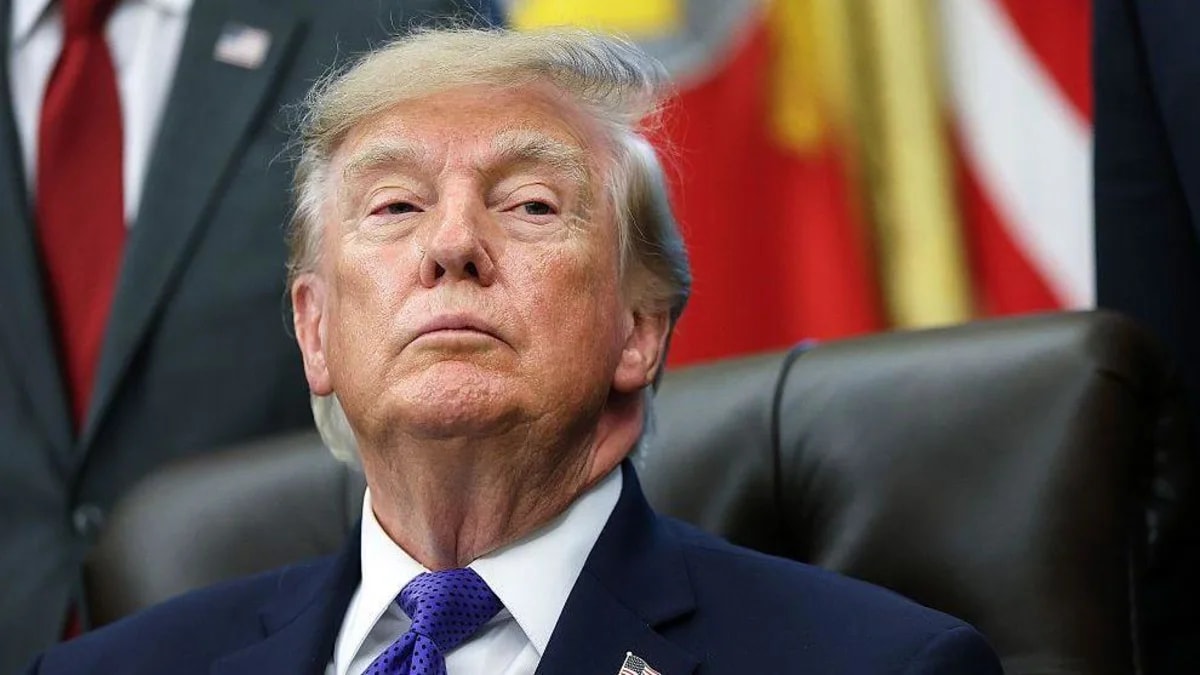
President Donald Trump announced the formation of a new federal task force called the "Super Intelligence Force" on Sunday, placing Director of National Intelligence Jay Clayton at its head. The group will coordinate the government's work on artificial intelligence, which the administration has rebranded as "Super Intelligence," and report directly to the president and White House Chief of Staff Susie Wiles.
The announcement follows a White House meeting last week where Trump and executives from six major tech companies signed what he called a "constitution" establishing voluntary safety standards. Trump has largely resisted calls for stronger federal regulation of AI, instead favoring self-policing by the industry.
In a post on Truth Social, Trump wrote that the force will "coordinate the Federal Government's engagement with Consumers, Public Interest Groups, Religious Organizations, Critical Infrastructure Providers, and Super Intelligence Companies." Joining Clayton are Federal Trade Commission Chair Andrew Ferguson, Undersecretary of Defense for Research and Engineering Emil Michael, and Office of Personnel Management Director Scott Kupor.
Clayton, who took office as national intelligence director in August after Trump's first choice was rejected by lawmakers, has described AI as both an opportunity and a threat. In an interview with The Wall Street Journal published Saturday, he said the risk of not being first in AI is high and that being first would better enable the US to address risks from adversaries.
The task force's initial mandate does not include new enforcement powers or specific oversight mechanisms. Trump has so far favored self-regulation, and the announcement offered few details on how the force would operate. An ABC News request to the White House for more information did not immediately receive a response.
The rebranding of artificial intelligence as "Super Intelligence" was formalized in an executive order signed September 29, which instructed federal agencies to use the terms "SI" and "Super Intelligence" in official correspondence. Some experts have questioned the logic of the change, arguing that "super intelligence" typically refers to systems far more advanced than current AI.
The announcement comes amid growing pressure from industry leaders, including executives at OpenAI and Anthropic, to tighten regulation. OpenAI CEO Sam Altman said in an interview published October 4 that the benefits of AI justify accepting some risks, but argued the technology should remain accessible to the public.
The task force has not yet announced a timeline for its first report or public recommendations. Clayton told the Journal that he expects mechanisms to be developed in dialogue with industry, similar to risk models used in the financial sector.
 Anthropic
 artificial intelligence
 Donald Trump
 Google
 OpenAI
About this story +
Research and drafting assisted by iFANN Intelligence
- President Donald Trump announced the formation of a new federal task force called the "Super Intelligence Force" on Sunday, placing Director of National Intelligence Jay Clayton at its head.confirmed
- The group will coordinate the government's work on artificial intelligence, which the administration has rebranded as "Super Intelligence," and report directly to the president and White House Chief of Staff Susie Wiles.confirmed
- The announcement follows a White House meeting last week where Trump and executives from six major tech companies signed what he called a "constitution" establishing voluntary safety standards.confirmed
- Trump has largely resisted calls for stronger federal regulation of AI, instead favoring self-policing by the industry.confirmed
- In a post on Truth Social, Trump wrote that the force will "coordinate the Federal Government's engagement with Consumers, Public Interest Groups, Religious Organizations, Critical Infrastructure Providers, and Super Intelligence Companies."confirmed
- Joining Clayton are Federal Trade Commission Chair Andrew Ferguson, Undersecretary of Defense for Research and Engineering Emil Michael, and Office of Personnel Management Director Scott Kupor.confirmed
- Clayton, who took office as national intelligence director in August after Trump's first choice was rejected by lawmakers, has described AI as both an opportunity and a threat.confirmed
- In an interview with The Wall Street Journal published Saturday, he said the risk of not being first in AI is high and that being first would better enable the US to address risks from adversaries.confirmed
- The task force's initial mandate does not include new enforcement powers or specific oversight mechanisms.confirmed
- Trump has so far favored self-regulation, and the announcement offered few details on how the force would operate.confirmed
- An ABC News request to the White House for more information did not immediately receive a response.confirmed
- The rebranding of artificial intelligence as "Super Intelligence" was formalized in an executive order signed September 29, which instructed federal agencies to use the terms "SI" and "Super Intelligence" in official correspondence.confirmed
- Some experts have questioned the logic of the change, arguing that "super intelligence" typically refers to systems far more advanced than current AI.confirmed
- The announcement comes amid growing pressure from industry leaders, including executives at OpenAI and Anthropic, to tighten regulation.confirmed
- OpenAI CEO Sam Altman said in an interview published October 4 that the benefits of AI justify accepting some risks, but argued the technology should remain accessible to the public.confirmed
- The task force has not yet announced a timeline for its first report or public recommendations.confirmed
- Clayton told the Journal that he expects mechanisms to be developed in dialogue with industry, similar to risk models used in the financial sector.confirmed