Residents in Russian-occupied Oleshky report eating weeds to survive
Residents of the Russian-occupied Kherson city describe eating weeds and one meal a day as Ukraine urges the UN to pressure Moscow for aid access.
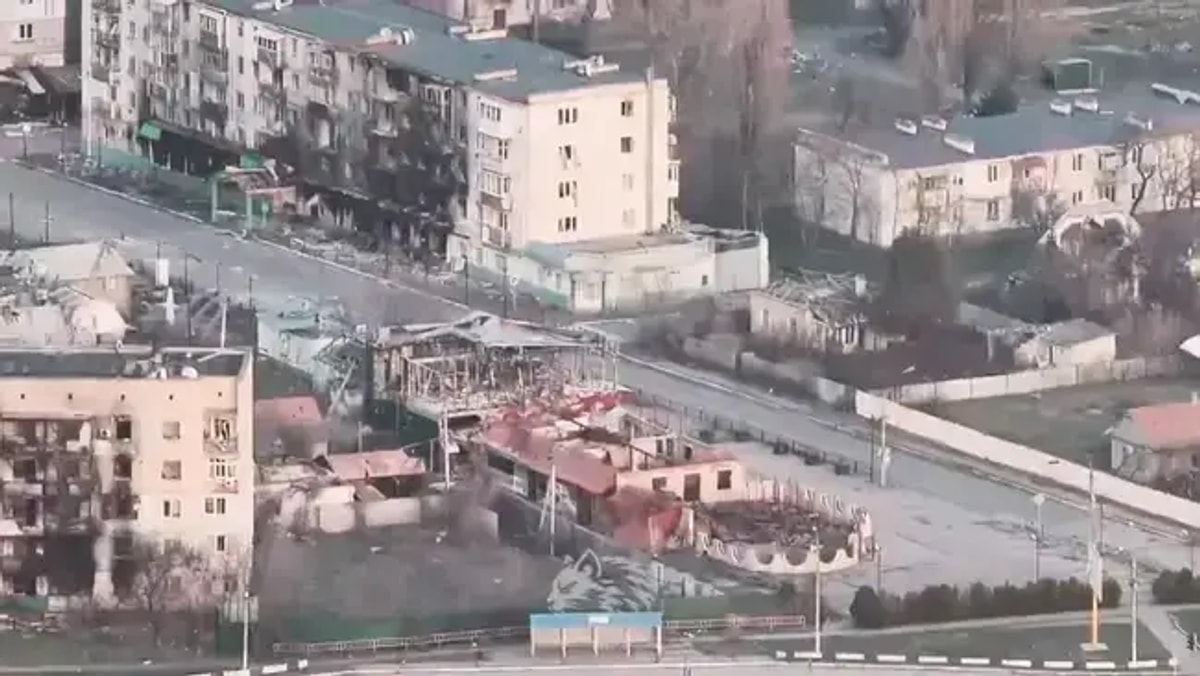
Oleshky has been under Russian occupation since the first days of the full-scale invasion in 2022, cut off from Ukrainian-controlled territory by the Dnipro River and surrounded by Russian forces. The city is also one of the places where thousands lost homes after the Nova Kakhovka Dam collapsed in 2023, flooding buildings up to their rooftops. Now residents say they are trapped without regular food or water, and the Ukrainian government estimates about 6,000 people remain in the city and surrounding areas, including 200 children.
On Tuesday, Ukraine’s Foreign Minister Andriy Sybiha told the UN General Assembly that the local population is living under a “full blockade” by Russian forces and called on the international community to pressure Russia into allowing humanitarian aid into the city. The Kremlin acknowledged earlier in the week that Oleshky faced “a critical situation” and “problems with supplies of food and medicine,” but said Russia’s military was working to resolve them and blamed Kyiv.
Residents told the BBC that the last food delivery was in May, and that many now cook garden weeds because they have run out of vegetables grown over the summer. One woman, identified only as Halia to protect her safety, said she eats once a day, a dinner of plain bread, sometimes with a tomato or honey and tea. “There is no food here in the city,” she said.
“There is no food here in the city.”
: Halia, a resident of Oleshky, speaking to the BBC
No shops are open, and the city has had no electricity, gas or water since the dam was attacked three years ago. Some residents have risked travelling on foot along mined roads to find supplies, but many now consider the route too dangerous. Four separate sources confirmed to the BBC that two civilians carrying food were killed by a drone on 20 September after failing to return home before a curfew imposed by Russian occupation authorities.
The UN Human Rights Monitoring Mission in Ukraine has recorded at least 29 civilians killed and 54 injured in Oleshky and nearby Hola Prystan this year, though local volunteers say the true number is likely far higher. Ksenia Arkhipova, a volunteer who escaped Oleshky in summer 2022 and now helps deliver food and medicine, told the BBC she has a spreadsheet of around 1,200 dead, adding one or two names every day. “Sometimes I don’t have time to update it, as the list grows one or two people longer every day: someone was killed by a drone, someone else stepped on the landmine,” she said.
Ukraine’s Commissioner for Human Rights Dmytro Lubinets has described the situation as a “humanitarian disaster,” and the Ukrainian Foreign Ministry has called on the international community to take immediate, concrete action to save civilians in the occupied Kherson region. The International Committee of the Red Cross announced at the end of April that it was ready to supply as many buses as needed to evacuate people from Oleshky, but Kyiv is still awaiting Moscow’s confirmation of a date for a truce.
Tetyana Hasanenko, head of the Oleshky Military Administration, said a humanitarian corridor would only be possible under supervision of international missions such as the United Nations or the Red Cross. “We are dealing with Russian war criminals,” she told DW. “A humanitarian corridor would only be possible under supervision of international missions — the United Nations, the Red Cross or other organizations.”
 Russia
 Ukraine
 UN
UN War & Conflict
About this story +
Research and drafting assisted by iFANN Intelligence
- Oleshky has been under Russian occupation since the first days of the full-scale invasion in 2022, cut off from Ukrainian-controlled territory by the Dnipro River and surrounded by Russian forces.confirmed
- The city is also one of the places where thousands lost homes after the Nova Kakhovka Dam collapsed in 2023, flooding buildings up to their rooftops.confirmed
- Now residents say they are trapped without regular food or water, and the Ukrainian government estimates about 6,000 people remain in the city and surrounding areas, including 200 children.confirmed
- On Tuesday, Ukraine’s Foreign Minister Andriy Sybiha told the UN General Assembly that the local population is living under a “full blockade” by Russian forces and called on the international community to pressure Russia into allowing humanitarian aid into the city.confirmed
- The Kremlin acknowledged earlier in the week that Oleshky faced “a critical situation” and “problems with supplies of food and medicine,” but said Russia’s military was working to resolve them and blamed Kyiv.confirmed
- Residents told the BBC that the last food delivery was in May, and that many now cook garden weeds because they have run out of vegetables grown over the summer.confirmed
- One woman, identified only as Halia to protect her safety, said she eats once a day, a dinner of plain bread, sometimes with a tomato or honey and tea.confirmed
- No shops are open, and the city has had no electricity, gas or water since the dam was attacked three years ago.confirmed
- Some residents have risked travelling on foot along mined roads to find supplies, but many now consider the route too dangerous.confirmed
- Four separate sources confirmed to the BBC that two civilians carrying food were killed by a drone on 20 September after failing to return home before a curfew imposed by Russian occupation authorities.confirmed
- The UN Human Rights Monitoring Mission in Ukraine has recorded at least 29 civilians killed and 54 injured in Oleshky and nearby Hola Prystan this year, though local volunteers say the true number is likely far higher.confirmed
- Ksenia Arkhipova, a volunteer who escaped Oleshky in summer 2022 and now helps deliver food and medicine, told the BBC she has a spreadsheet of around 1,200 dead, adding one or two names every day.confirmed
- Ukraine’s Commissioner for Human Rights Dmytro Lubinets has described the situation as a “humanitarian disaster,” and the Ukrainian Foreign Ministry has called on the international community to take immediate, concrete action to save civilians in the occupied Kherson region.confirmed
- The International Committee of the Red Cross announced at the end of April that it was ready to supply as many buses as needed to evacuate people from Oleshky, but Kyiv is still awaiting Moscow’s confirmation of a date for a truce.confirmed
- Tetyana Hasanenko, head of the Oleshky Military Administration, said a humanitarian corridor would only be possible under supervision of international missions such as the United Nations or the Red Cross.confirmed