Iran shifts tactics to target shipping before US election
The tactic marks an escalation in the Strait of Hormuz as Tehran seeks leverage ahead of the midterm elections, according to U.S. and Western officials.
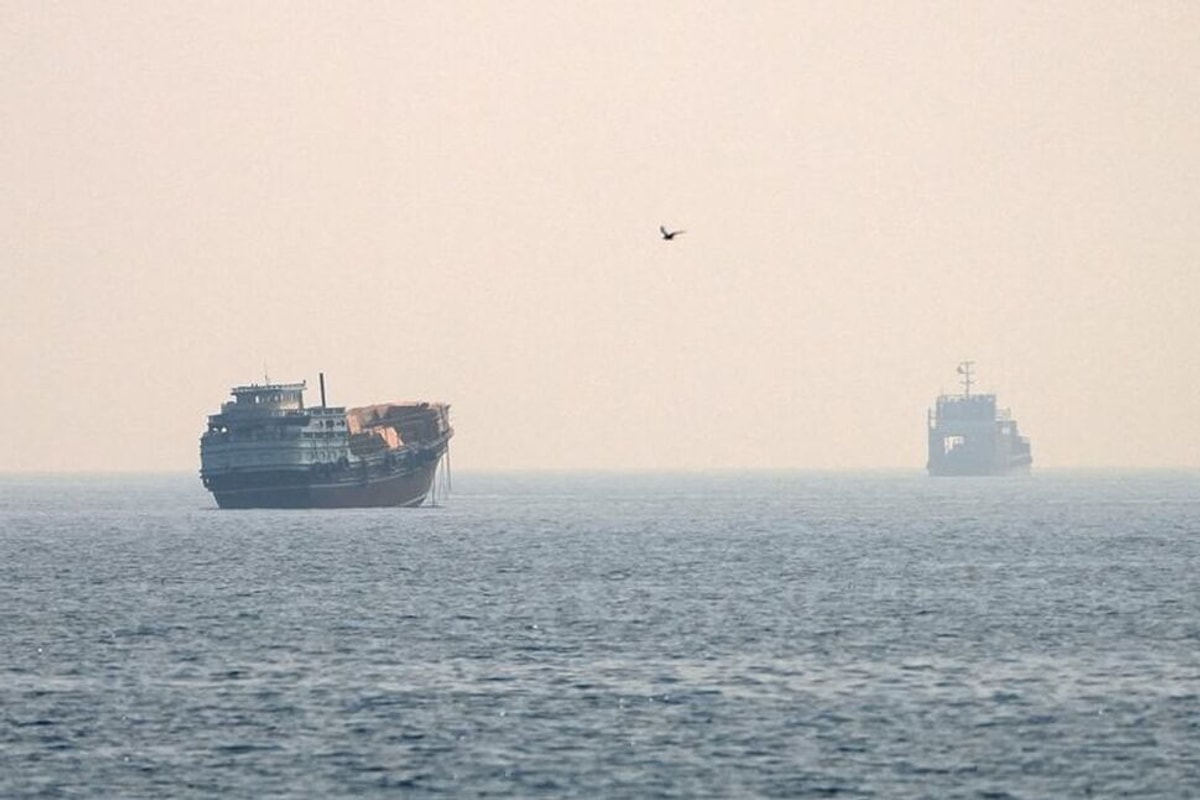
In July, senior U.S. officials said they were demanding that Iran publicly commit to stopping attacks in the strait and to keeping all shipping lanes open without tolls. At the time, Iran attributed the attacks to what one official called "an errant part of their system," a claim U.S. officials dismissed. By September, hostilities had flared again.
U.S. Central Command said it struck Iranian air defense sites, radar systems, and maritime assets in response to Iranian attempts to hit commercial ships and American forces. The strikes followed an earlier barrage that ended a month without military action and threatened to reignite a conflict that has spiked global oil prices and posed political problems for Republicans in the midterms. Iran's Revolutionary Guard has warned that the attacks have only strengthened the Islamic Republic's resolve and tightened its effective closure of the Strait of Hormuz, through which about 20% of the world's oil normally flows.
The waterway has been a central battleground since the war began, with both Washington and Tehran seeking control of the narrow passage. Oil prices have risen sharply on the renewed clashes. Crude was up about 7% for the week in early September and has jumped more than 50% for the year, pushing the average U.S. price for a gallon of regular gasoline to $4.10, according to AAA.
President Donald Trump has previously said he would not force Iran to the bargaining table, writing on social media in September that he preferred "almost total control of the Hormuz Strait" and Iran's "economy totally collapsing." The fundamental U.S. demand remains that Iran turn over its nuclear materials, which Trump has called "nuclear dust." The nuclear issue is supposed to be addressed under a 60-day negotiation period established by a June memorandum of understanding.
 Iran
Iran United States
About this story +
Research and drafting assisted by iFANN Intelligence
- In July, senior U.S. officials said they were demanding that Iran publicly commit to stopping attacks in the strait and to keeping all shipping lanes open without tolls.confirmed
- At the time, Iran attributed the attacks to what one official called "an errant part of their system," a claim U.S. officials dismissed.confirmed
- By September, hostilities had flared again.confirmed
- U.S. Central Command said it struck Iranian air defense sites, radar systems, and maritime assets in response to Iranian attempts to hit commercial ships and American forces.confirmed
- The strikes followed an earlier barrage that ended a month without military action and threatened to reignite a conflict that has spiked global oil prices and posed political problems for Republicans in the midterms.confirmed
- Iran's Revolutionary Guard has warned that the attacks have only strengthened the Islamic Republic's resolve and tightened its effective closure of the Strait of Hormuz, through which about 20% of the world's oil normally flows.confirmed
- The waterway has been a central battleground since the war began, with both Washington and Tehran seeking control of the narrow passage.confirmed
- Oil prices have risen sharply on the renewed clashes.confirmed
- Crude was up about 7% for the week in early September and has jumped more than 50% for the year, pushing the average U.S. price for a gallon of regular gasoline to $4.10, according to AAA.confirmed
- President Donald Trump has previously said he would not force Iran to the bargaining table, writing on social media in September that he preferred "almost total control of the Hormuz Strait" and Iran's "economy totally collapsing."confirmed
- The fundamental U.S. demand remains that Iran turn over its nuclear materials, which Trump has called "nuclear dust."confirmed
- The nuclear issue is supposed to be addressed under a 60-day negotiation period established by a June memorandum of understanding.confirmed