Chancellor John Healey confirms 28 October for his first Budget
Healey pledges fiscal discipline and a shift of money and power away from Westminster as the government faces rising borrowing costs and a tight fiscal backdrop.
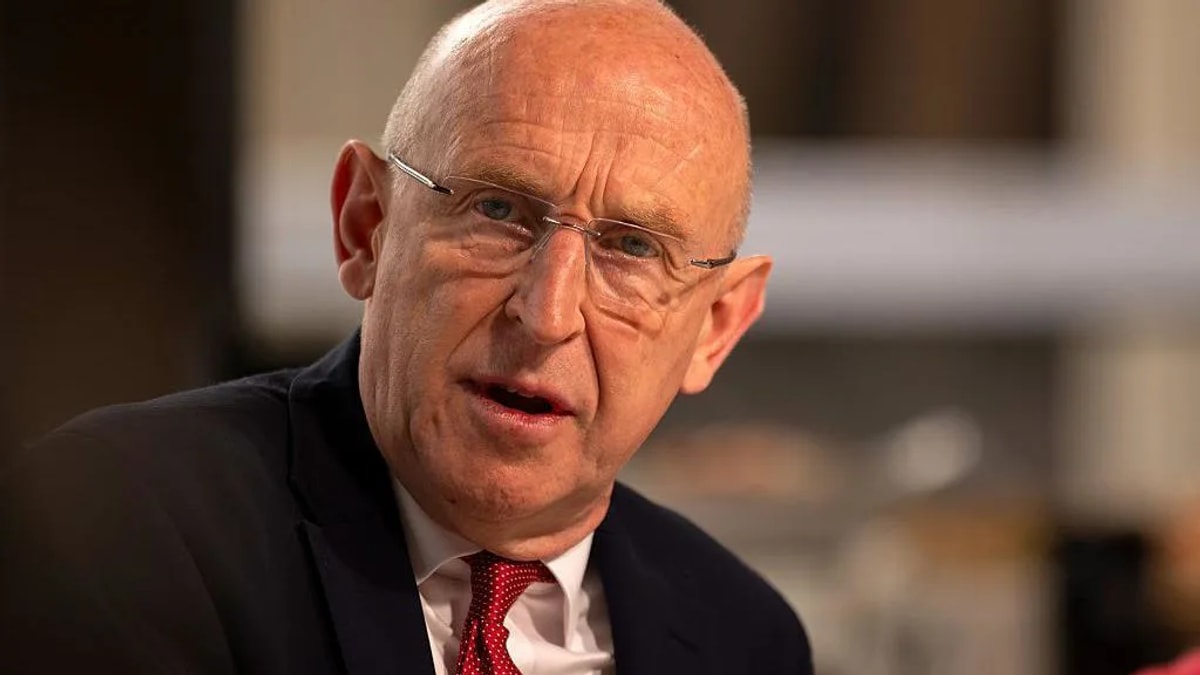
Chancellor John Healey has set Wednesday, 28 October as the date for his first Budget, the Treasury confirmed on Friday. The announcement, made in a video message, came as the new government under Prime Minister Andy Burnham seeks to deliver on a raft of early policy pledges while navigating a sharp rise in borrowing costs and stubborn inflation driven by the Iran war.
Healey said the Budget would be “built on fiscal discipline” and would “meet our fiscal rules,” echoing commitments made by Burnham to stick to Labour’s manifesto promises not to raise income tax, national insurance or VAT. “This will be a Budget that moves money and power out of Westminster, and into every postcode around Britain,” Healey said, according to the BBC. “It’ll give businesses and families some of the stability they need to plan for the future.”
The chancellor inherits a fiscal position that has tightened since his predecessor Rachel Reeves left a £22bn buffer in her final budget. Persistent inflation, fuelled by the conflict in Iran, may have eroded that headroom, and the government faces elevated borrowing costs with the national debt at its highest since the 1960s, The Guardian reported. An influential think tank warned earlier this week that Burnham has only a small margin of error, and that Healey may need to cut spending or raise taxes to fund priorities such as extra defence spending and better social care, the BBC noted.
Healey, who served as Defence Secretary under Keir Starmer before resigning over a dispute about defence spending commitments, will have to reconcile his own past calls for Britain to lift defence spending to 3% of GDP by 2030 with the government’s current stance. Burnham’s Defence Secretary Wes Streeting on Thursday repeatedly refused to commit to that target, telling reporters, “Before we set out specific spending commitments, we will also set out how we pay for them at the same time.”
Since taking office earlier this month, Burnham has announced a series of cost-of-living measures, including scrapping VAT from domestic electricity bills. On Friday, he said all mayors of city regions in England would receive a share of income tax revenue for the first time, as part of a push to devolve power from London. The government said the rate of income tax would not change as a direct result of the reforms, but more details are expected in the Budget.
“Healey doesn't have the luxury of pointing the finger of blame at the last administration.”
: Tom Selby, public policy director at AJ Bell, quoted by the BBC
Shadow chancellor Sir Mel Stride criticised the announcement, saying it meant “89 more days of unfunded spending commitments and damaging tax speculation until we get some details,” and “89 more days for Brits to wait before they know how much their taxes are going to go up to fund Burnham’s spending addiction.”
The Budget will be closely watched by financial markets, where City investors have warned that the government has limited room for manoeuvre. While the appointment of Healey and the commitment to retain Reeves’s fiscal rules have eased some concerns, investors still say Burnham may need to consider tax rises, The Guardian reported.
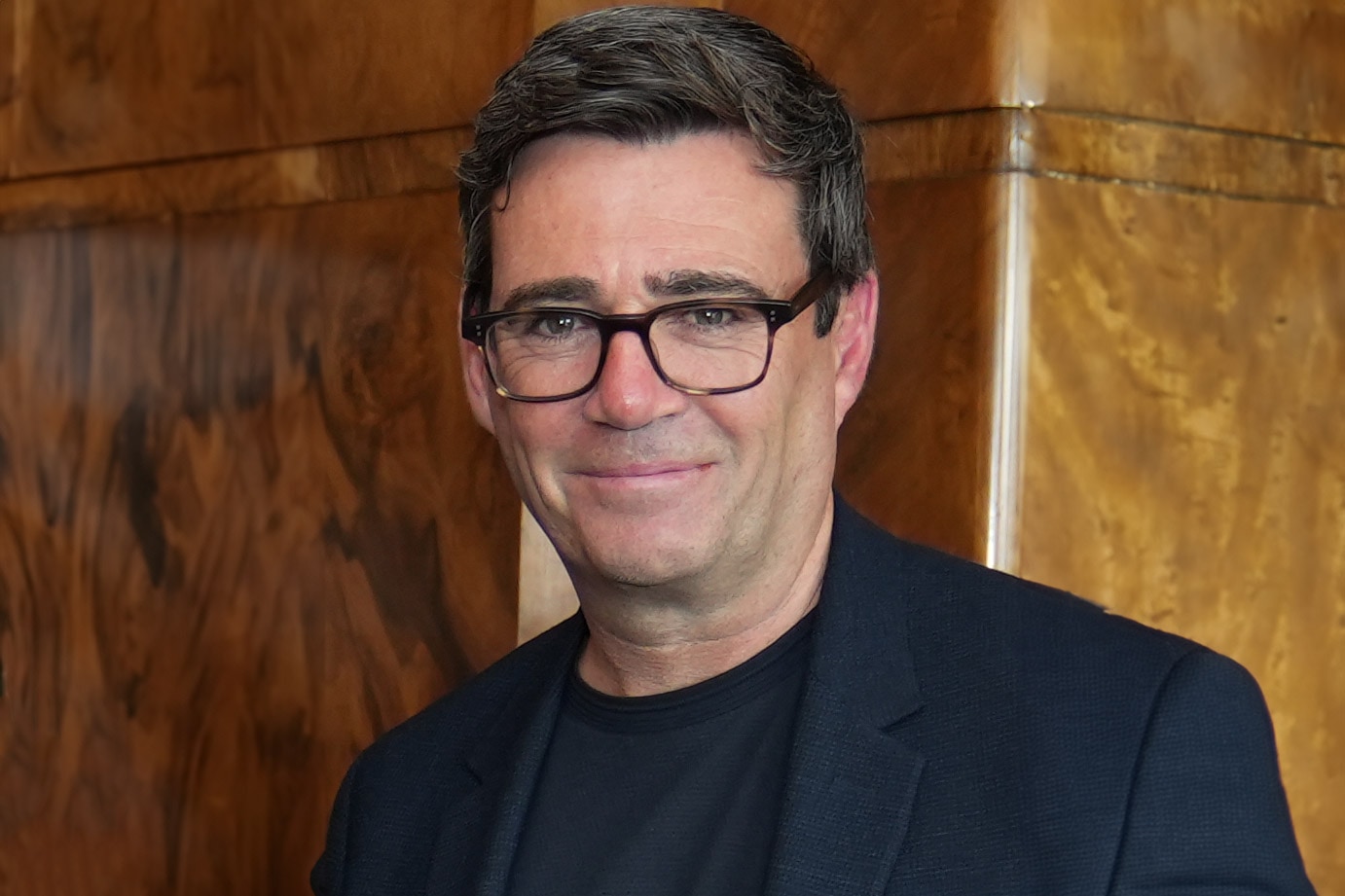 Andy Burnham
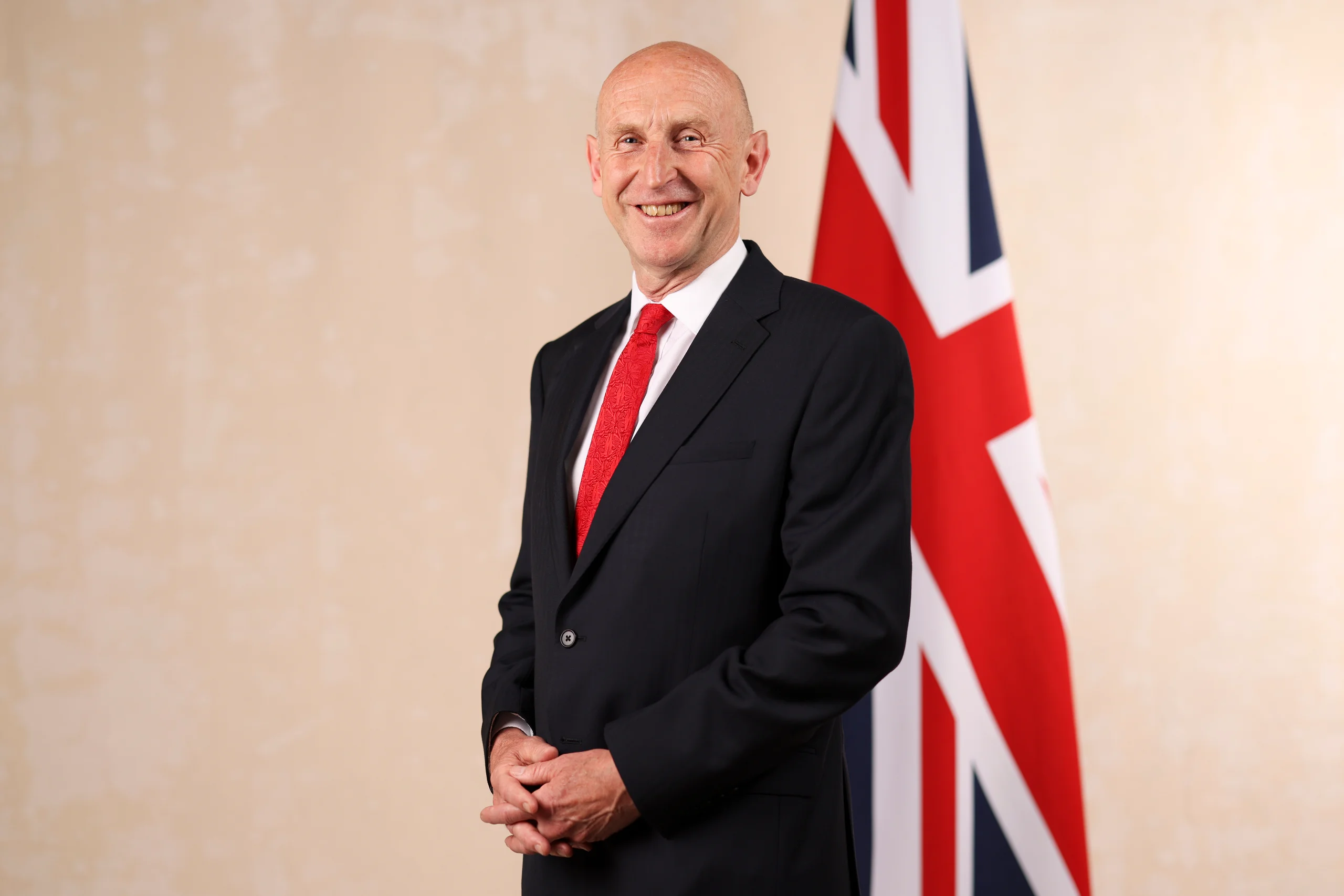 John Healey
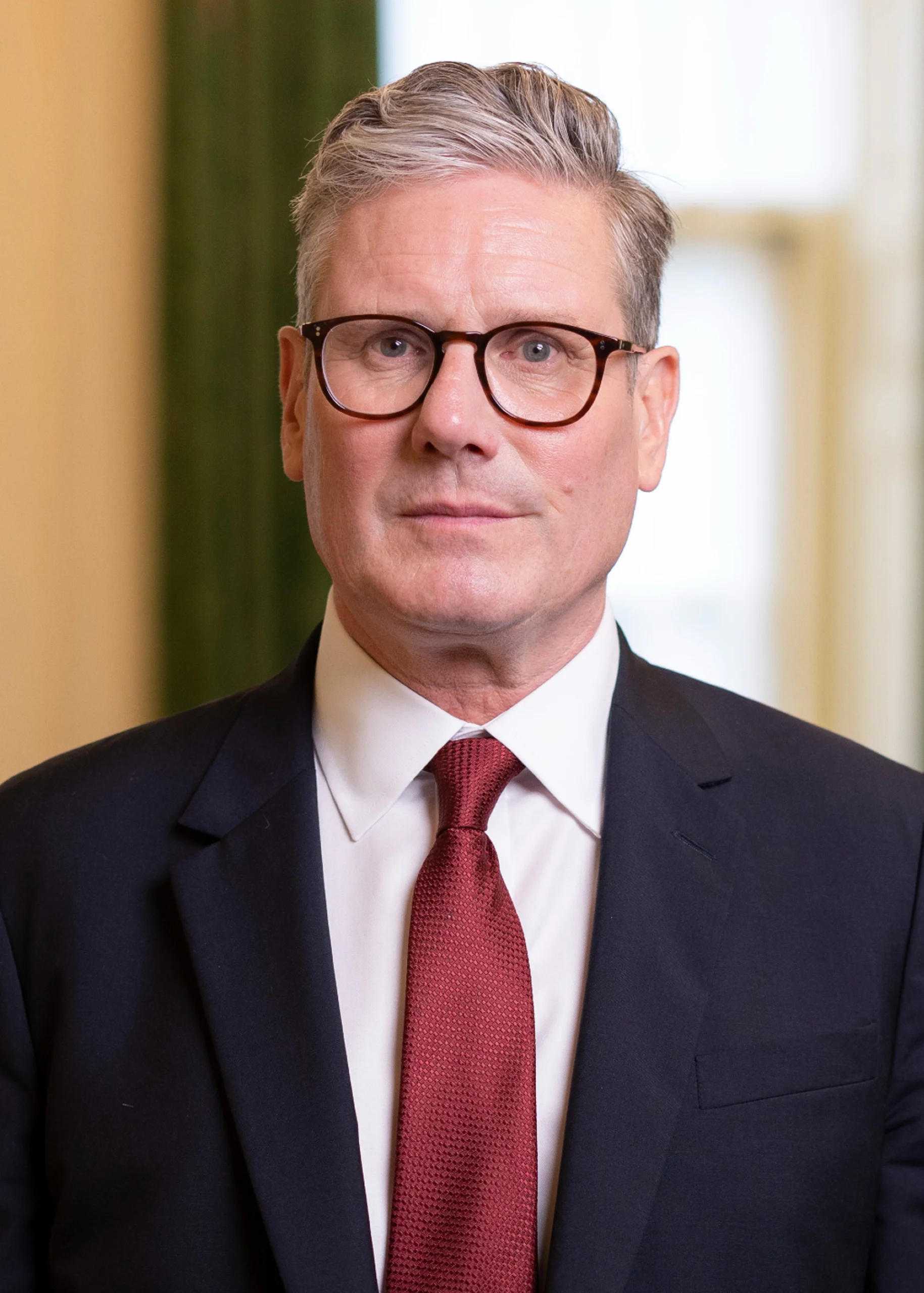 Keir Starmer
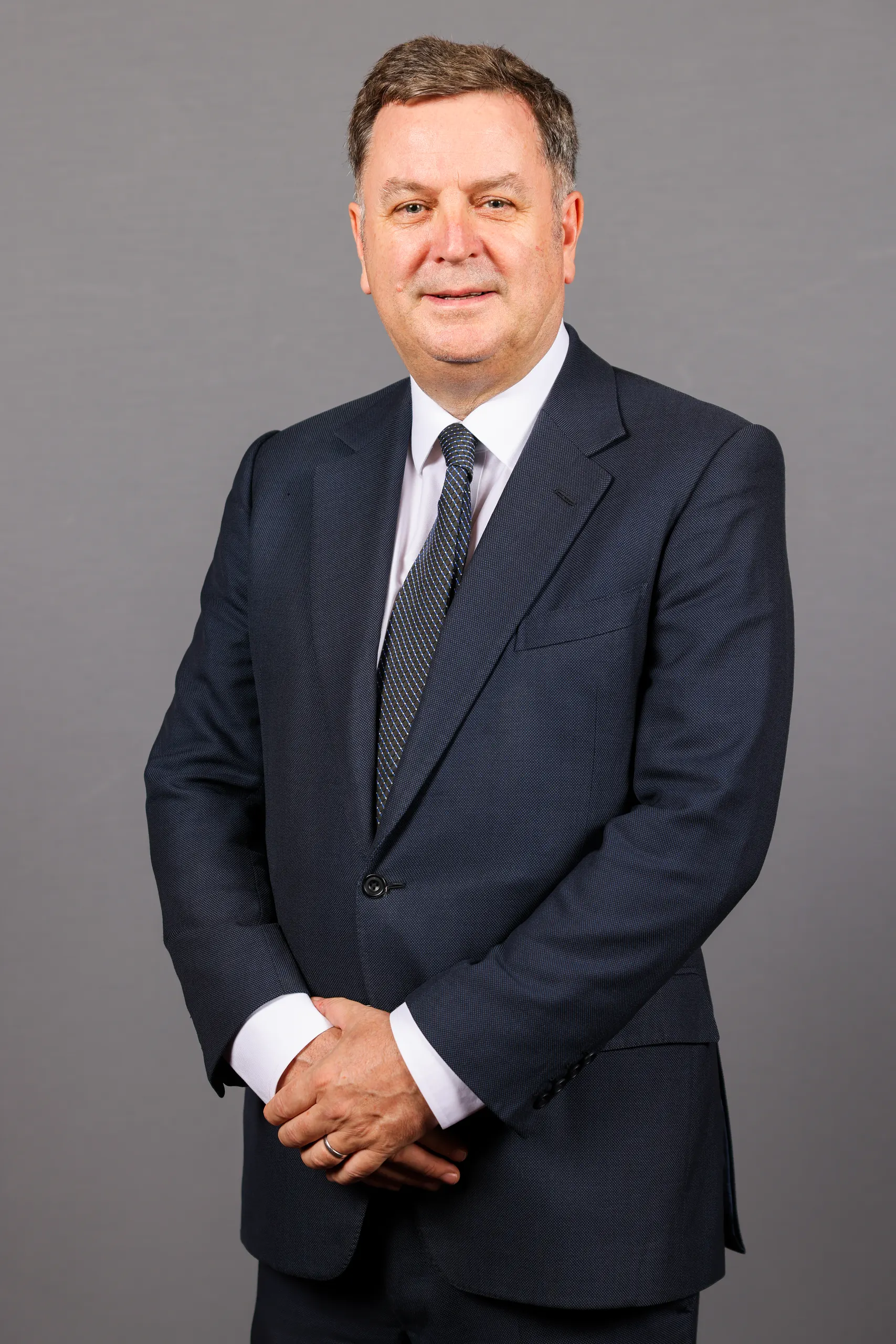 Mel Stride
 Politics
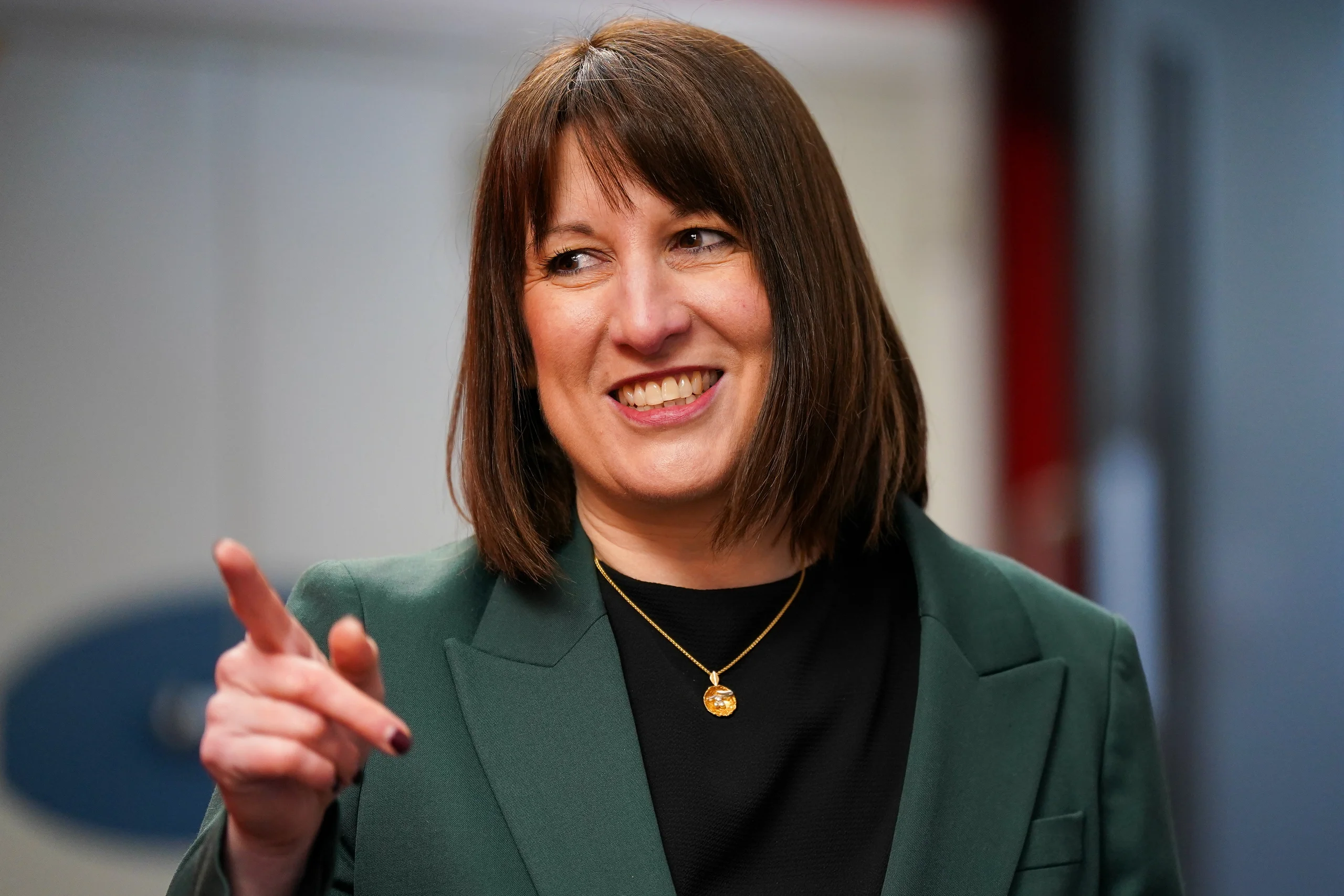 Rachel Reeves
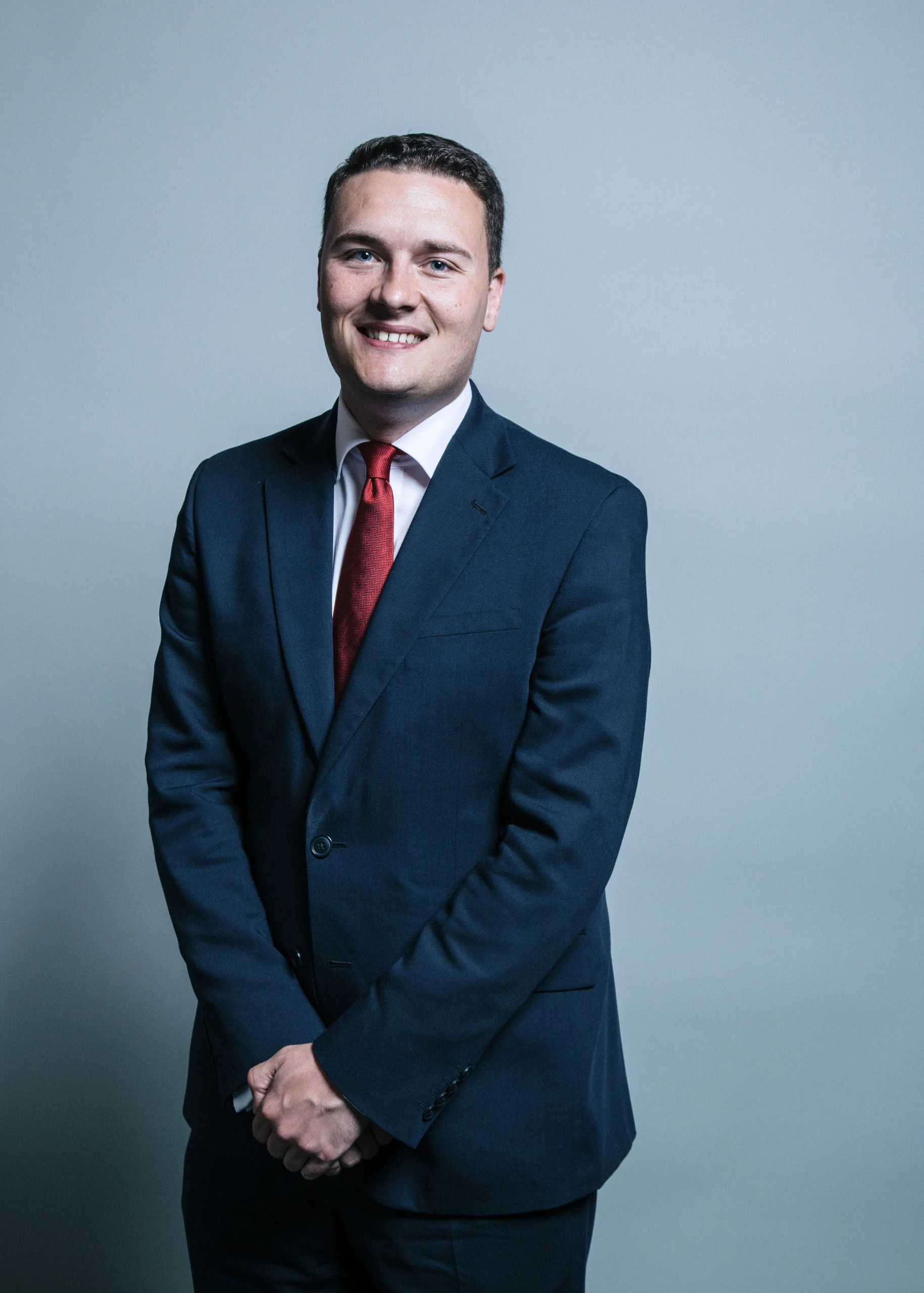 Wes Streeting
About this story +
Research and drafting assisted by iFANN Intelligence
- Healey announces his first Budget will be on 28 October: BBC Politics
- Healey sets budget for late October, promising to ‘spread money and power’ around UK: The Guardian · Politics
- New UK finance minister Healey to hold first budget on October 28 https://t.co/h4DahXU9M0 https://t.co/h4DahXU9M0: Reuters (X)
- ca.news.yahoo.com
- massbudget.org
- providers.org
- masstaxpayers.org
- Chancellor John Healey has set Wednesday, 28 October as the date for his first Budget, the Treasury confirmed on Friday.confirmed
- The announcement, made in a video message, came as the new government under Prime Minister Andy Burnham seeks to deliver on a raft of early policy pledges while navigating a sharp rise in borrowing costs and stubborn inflation driven by the Iran war.confirmed
- Healey said the Budget would be “built on fiscal discipline” and would “meet our fiscal rules,” echoing commitments made by Burnham to stick to Labour’s manifesto promises not to raise income tax, national insurance or VAT.confirmed
- “This will be a Budget that moves money and power out of Westminster, and into every postcode around Britain,” Healey said, according to the BBC.confirmed
- “It’ll give businesses and families some of the stability they need to plan for the future.”confirmed
- The chancellor inherits a fiscal position that has tightened since his predecessor Rachel Reeves left a £22bn buffer in her final budget.confirmed
- Persistent inflation, fuelled by the conflict in Iran, may have eroded that headroom, and the government faces elevated borrowing costs with the national debt at its highest since the 1960s, The Guardian reported.confirmed
- An influential think tank warned earlier this week that Burnham has only a small margin of error, and that Healey may need to cut spending or raise taxes to fund priorities such as extra defence spending and better social care, the BBC noted.confirmed
- Healey, who served as Defence Secretary under Keir Starmer before resigning over a dispute about defence spending commitments, will have to reconcile his own past calls for Britain to lift defence spending to 3% of GDP by 2030 with the government’s current stance.confirmed
- Burnham’s Defence Secretary Wes Streeting on Thursday repeatedly refused to commit to that target, telling reporters, “Before we set out specific spending commitments, we will also set out how we pay for them at the same time.”confirmed
- Since taking office earlier this month, Burnham has announced a series of cost-of-living measures, including scrapping VAT from domestic electricity bills.confirmed
- On Friday, he said all mayors of city regions in England would receive a share of income tax revenue for the first time, as part of a push to devolve power from London.confirmed
- The government said the rate of income tax would not change as a direct result of the reforms, but more details are expected in the Budget.confirmed
- Shadow chancellor Sir Mel Stride criticised the announcement, saying it meant “89 more days of unfunded spending commitments and damaging tax speculation until we get some details,” and “89 more days for Brits to wait before they know how much their taxes are going to go up to fund Burnham’s spending addiction.”confirmed
- The Budget will be closely watched by financial markets, where City investors have warned that the government has limited room for manoeuvre.confirmed
- While the appointment of Healey and the commitment to retain Reeves’s fiscal rules have eased some concerns, investors still say Burnham may need to consider tax rises, The Guardian reported.confirmed