New South Wales launches gun buyback after Bondi Beach attack
New South Wales becomes the first Australian state to offer cash for surrendered firearms under reforms promised after the December 14 terror attack.
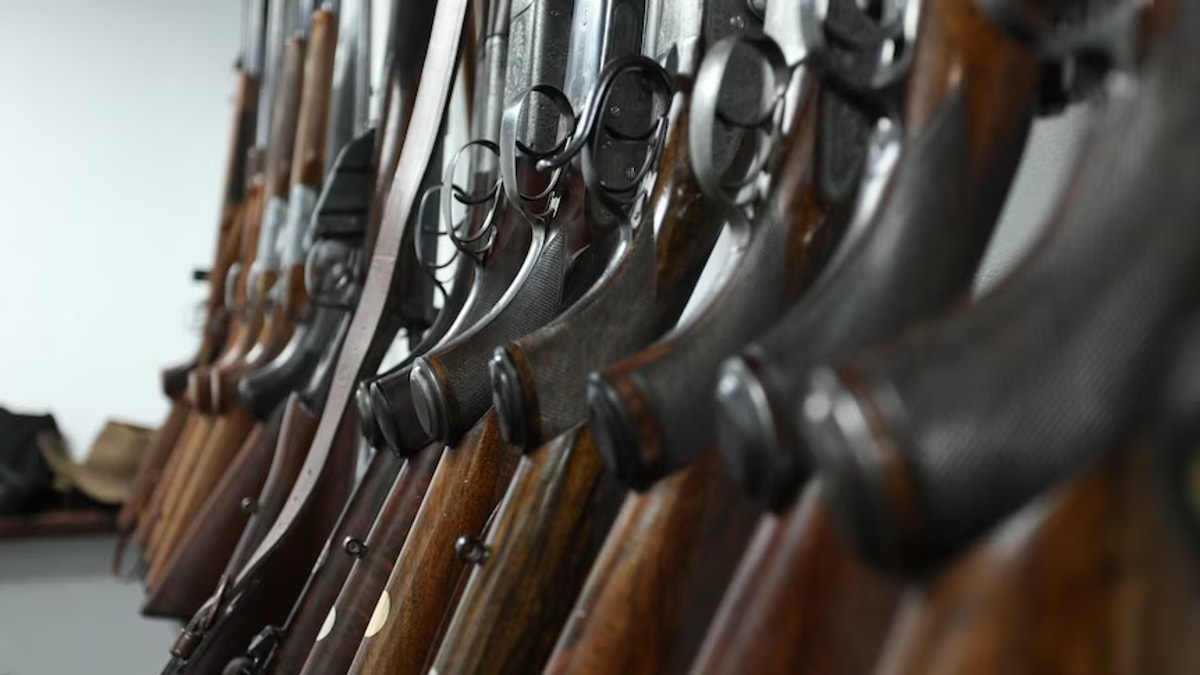
New South Wales will begin a gun buyback program on November 2, becoming the first Australian state to compensate owners for surrendering firearms since the Bondi Beach terror attack. Premier Chris Minns announced the two-phase scheme on Saturday, with payments of up to A$10,000 for higher-value guns and fixed rates of A$450 to A$1,000 for most others.
The program applies to gun owners who now hold more firearms than permitted under state laws introduced after the December 14 attack, in which 15 people were killed at a Jewish festival near Sydney's iconic beach. Those laws limit most licence holders to four firearms, with a maximum of 10 for farmers and sports shooters, and reduced licence terms from five years to two.
Minns said in a statement that the state wants those guns "handed in, compensated for and safely destroyed." He estimated hundreds of thousands of firearms could be surrendered. The ABC reported that up to 274,000 registered firearms, about a quarter of the state's total, and roughly 50,000 licence holders are affected by the reforms.
Two-phase rollout and compensation details
The first phase, starting November 2 and administered by NSW Police, covers handguns, shotguns and rifles above the new ownership limits, as well as newly reclassified firearms. A revolver or centre-fire rifle will fetch A$1,000, while an air rifle is set at A$450. A flat fee applies for associated ammunition.
The second phase begins early next year for firearms with an indicative market value above A$3,000, with compensation capped at A$10,000 per gun. Businesses can receive up to A$25,000 in support to adjust to the reforms, and dealers get licence fee relief worth A$500.
The Commonwealth will cover the cost of destroying surrendered firearms, while buyback and administration expenses are split evenly between the state and federal governments. Prime Minister Anthony Albanese said in a statement: "We must do everything we can to make sure the antisemitic terrorist attack in Bondi doesn't happen again."
National scheme stalled as other jurisdictions hesitate
The NSW launch comes six weeks before the first anniversary of the attack, but a nationwide buyback remains out of reach. Albanese first pushed the plan to national cabinet in January, and the federal government missed its own March deadline to agree with states and territories on firearm reforms.
Most other jurisdictions have opposed or not committed to the national scheme. Queensland and the Northern Territory have refused to sign up, with NT Chief Minister Lia Finocchiaro demanding the federal government fully fund any buyback. South Australia said in January it supported the idea in principle but has since ruled out changing its firearms laws. Tasmania and the ACT have committed to the national scheme, but funding negotiations remain ongoing.
Western Australia completed its own two-year buyback in January, surrendering more than 61,000 firearms at a cost of A$64 million, and said it was keen to participate in a national program. A royal commission on antisemitism recommended a national buyback in its interim report in April.
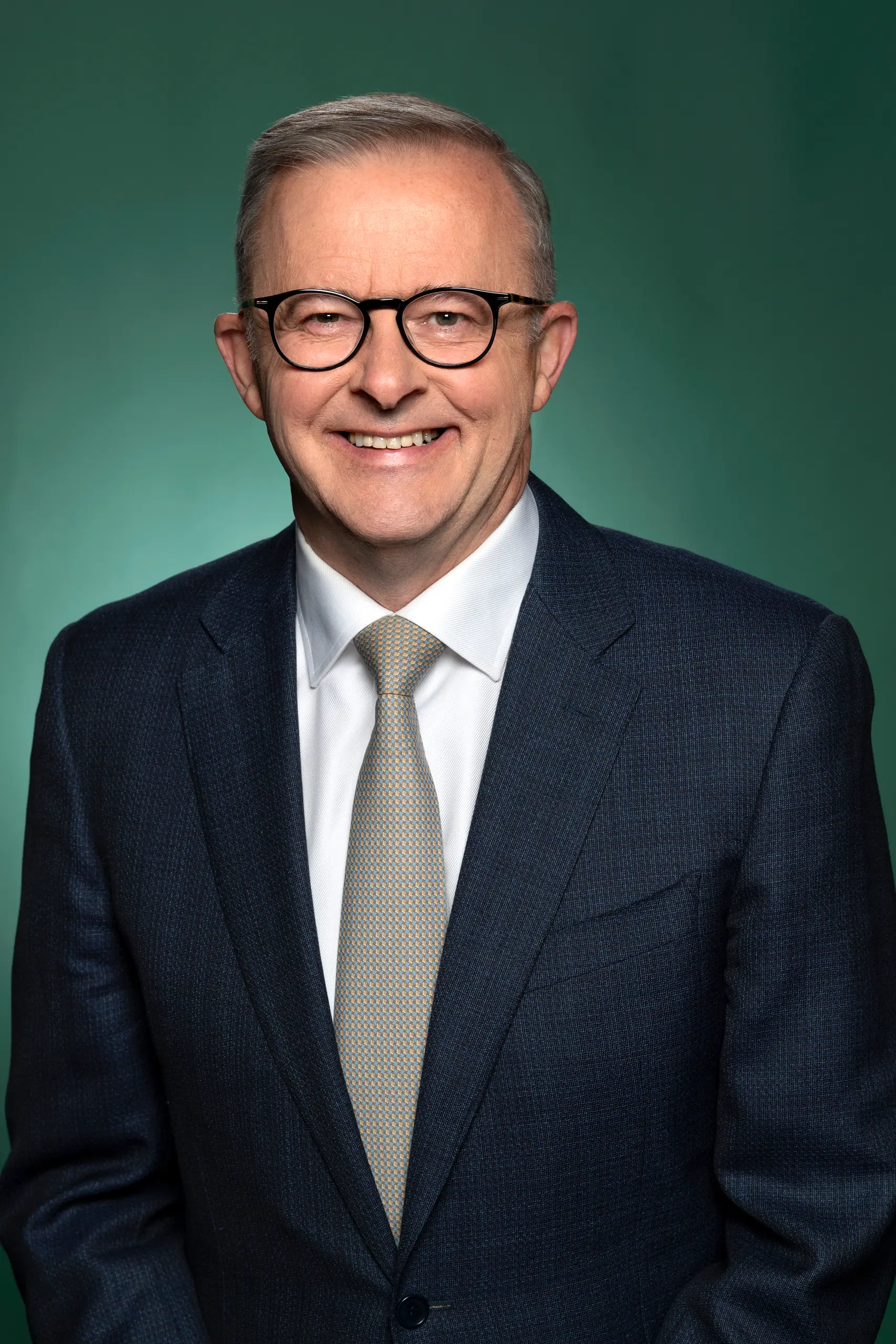 Anthony Albanese
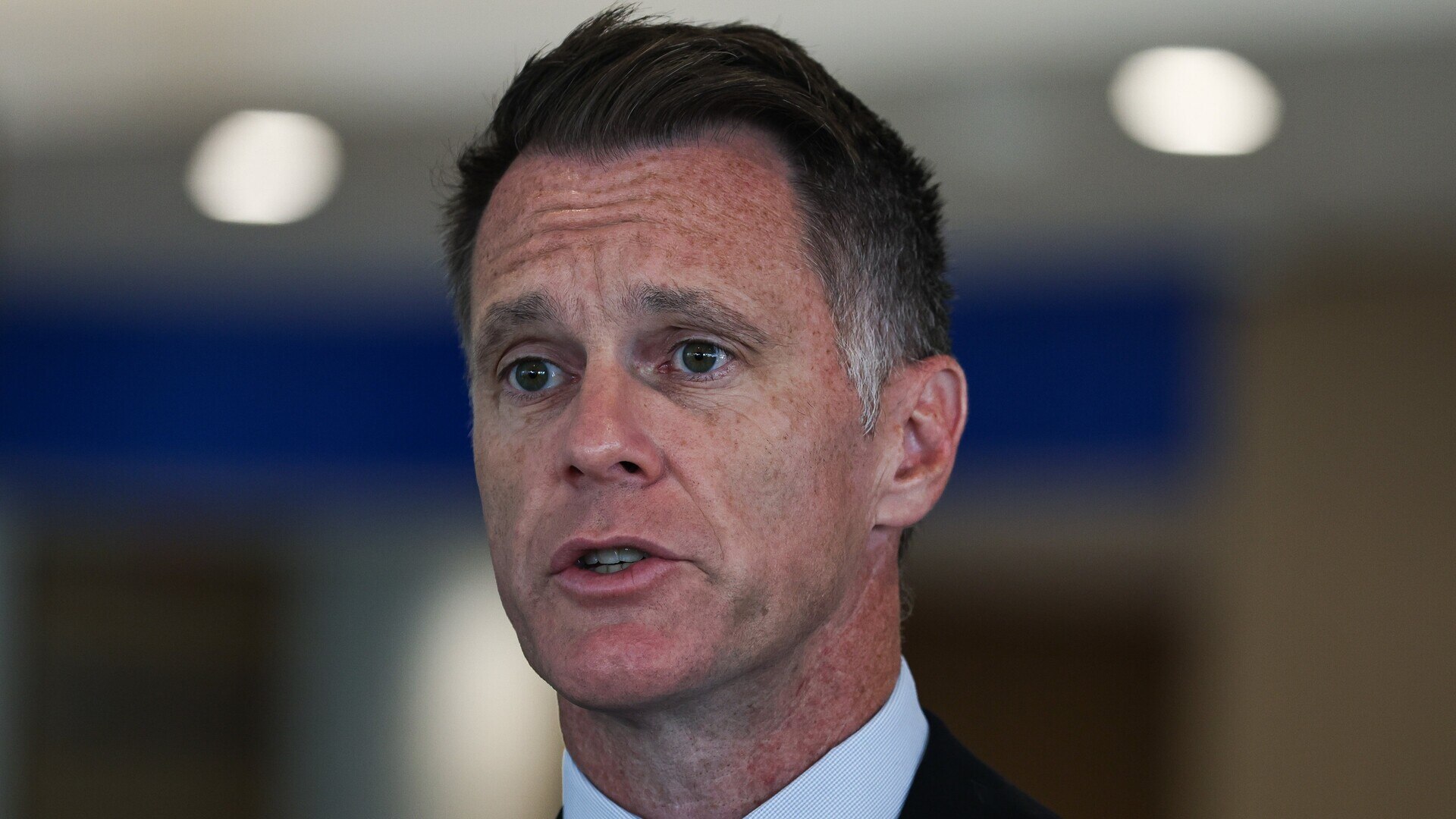 Chris Minns
 Gun Control
 Politics
About this story +
Research and drafting assisted by iFANN Intelligence
- New South Wales will begin a gun buyback program on November 2, becoming the first Australian state to compensate owners for surrendering firearms since the Bondi Beach terror attack.confirmed
- Premier Chris Minns announced the two-phase scheme on Saturday, with payments of up to A$10,000 for higher-value guns and fixed rates of A$450 to A$1,000 for most others.confirmed
- The program applies to gun owners who now hold more firearms than permitted under state laws introduced after the December 14 attack, in which 15 people were killed at a Jewish festival near Sydney's iconic beach.confirmed
- Those laws limit most licence holders to four firearms, with a maximum of 10 for farmers and sports shooters, and reduced licence terms from five years to two.confirmed
- Minns said in a statement that the state wants those guns "handed in, compensated for and safely destroyed."confirmed
- He estimated hundreds of thousands of firearms could be surrendered.confirmed
- The ABC reported that up to 274,000 registered firearms, about a quarter of the state's total, and roughly 50,000 licence holders are affected by the reforms.confirmed
- The first phase, starting November 2 and administered by NSW Police, covers handguns, shotguns and rifles above the new ownership limits, as well as newly reclassified firearms.confirmed
- A revolver or centre-fire rifle will fetch A$1,000, while an air rifle is set at A$450.confirmed
- A flat fee applies for associated ammunition.confirmed
- The second phase begins early next year for firearms with an indicative market value above A$3,000, with compensation capped at A$10,000 per gun.confirmed
- Businesses can receive up to A$25,000 in support to adjust to the reforms, and dealers get licence fee relief worth A$500.confirmed
- The Commonwealth will cover the cost of destroying surrendered firearms, while buyback and administration expenses are split evenly between the state and federal governments.confirmed
- Prime Minister Anthony Albanese said in a statement: "We must do everything we can to make sure the antisemitic terrorist attack in Bondi doesn't happen again."confirmed
- The NSW launch comes six weeks before the first anniversary of the attack, but a nationwide buyback remains out of reach.confirmed
- Albanese first pushed the plan to national cabinet in January, and the federal government missed its own March deadline to agree with states and territories on firearm reforms.confirmed
- Most other jurisdictions have opposed or not committed to the national scheme.confirmed
- Queensland and the Northern Territory have refused to sign up, with NT Chief Minister Lia Finocchiaro demanding the federal government fully fund any buyback.confirmed
- South Australia said in January it supported the idea in principle but has since ruled out changing its firearms laws.confirmed
- Tasmania and the ACT have committed to the national scheme, but funding negotiations remain ongoing.confirmed
- Western Australia completed its own two-year buyback in January, surrendering more than 61,000 firearms at a cost of A$64 million, and said it was keen to participate in a national program.confirmed
- A royal commission on antisemitism recommended a national buyback in its interim report in April.confirmed