Matt Lucas and Hugh Bonneville among actors calling for law on AI voice cloning
More than 80 performers have written to Prime Minister Andy Burnham demanding a legal right to own their voice, warning that AI cloning is an 'existential threat' to their industry.
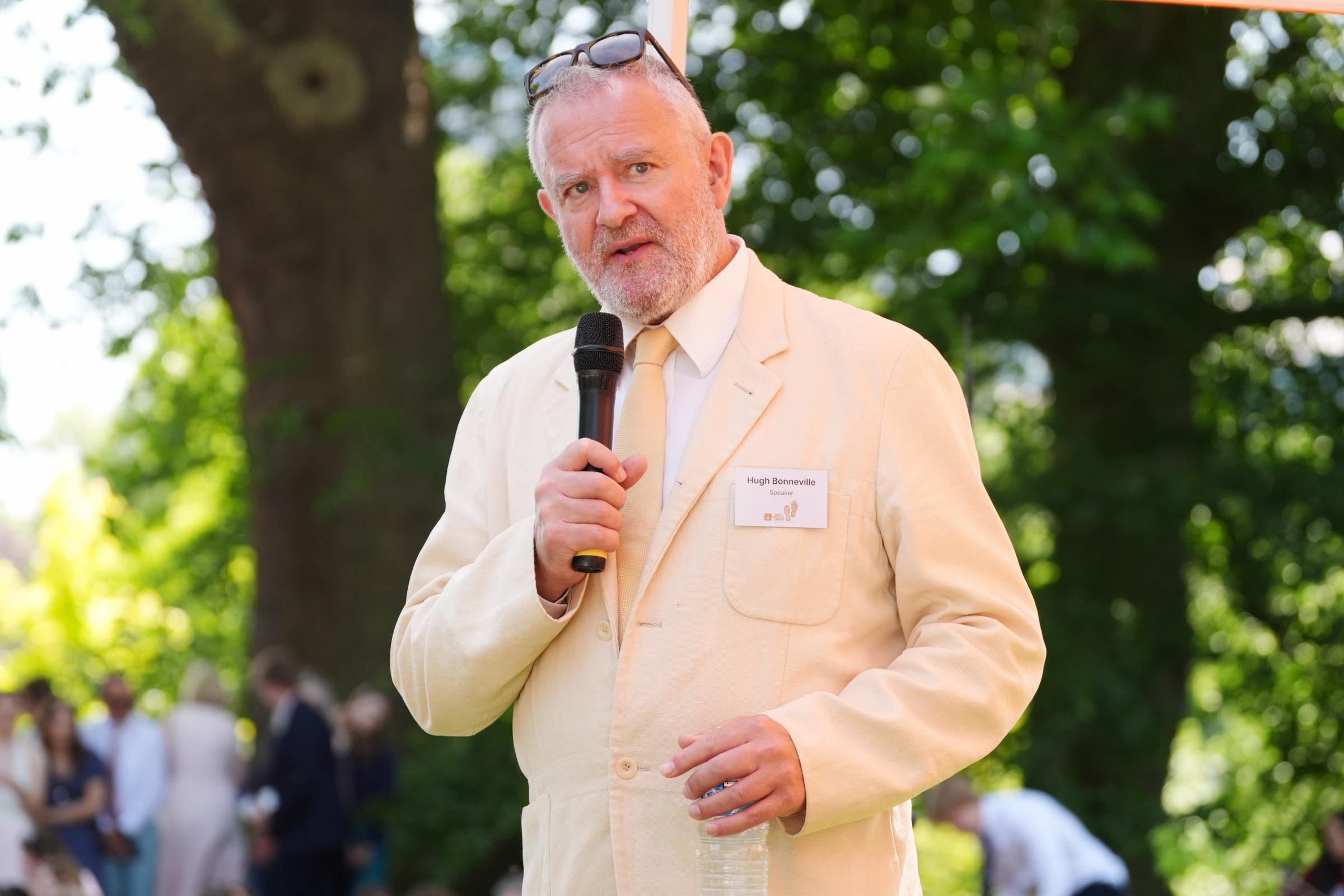
Voice cloning tools can now create a passable copy of a person's speech from just a few seconds of audio, and high-quality replicas require only a few hours of recordings, according to the BBC. That technical leap has pushed a coalition of British performers, led by Matt Lucas, Hugh Bonneville and Nicola Coughlan, to demand that the government give every UK citizen a legal right to own their voice.
On Thursday, the actors and more than 80 other signatories wrote to Prime Minister Andy Burnham urging legislation that would protect voices from being used by AI without consent. The campaign, called Save Our Voices Now, also includes Derry Girls actor Siobhán McSweeney, singer Sandi Thom, and audiobook narrator Alice Sockett, who co-founded the initiative.
“My voice is unique, it's mine, it's part of my identity.”
: Hugh Bonneville, in a statement to The National
Sockett described voice cloning as "an existential threat to our entire industry" and said her own voice is "out there in the public domain but completely unprotected." The campaign has also launched a petition on Gov.uk asking for everyone in Britain to be given ownership of their voice as part of their statutory rights.
The letter comes months after legal experts warned that UK legislation has become "unfit for purpose" in the face of AI advances. Dr Mathilde Pavis, a specialist in intellectual property law, said in June that "the law comes close, but it doesn't fully protect your voice, your face or your identity."
A government spokesperson told the BBC that digital replicas "can be a powerful tool, including for the creative industries," but acknowledged the potential for harm. "We value and protect human creators, and that is why we have announced we will launch a consultation on how we address these harms, while protecting legitimate innovation," the spokesperson said.
The campaign also points to a broader security concern, claiming that 28% of UK adults report having been targeted by a voice-cloning scam. Founder Peter Caulfield said that "in just three seconds, with the right AI system, your voice can be cloned, stolen and reinterpreted without your knowledge."
Not everyone sees voice cloning as a threat. Yvonne Johnson, who lost her voice to motor neurone disease, told the BBC in February that having it cloned by AI had "totally blown her mind" and brought her closer to her family. Pam Cronrath from Washington state used similar technology to create a holographic representation of her deceased husband for his funeral.
The government has not yet committed to legislation, but the consultation announced by the spokesperson is expected to examine how to address harms while protecting legitimate uses of AI. For the performers behind Save Our Voices Now, the central demand is clear: no voice should be used without consent.
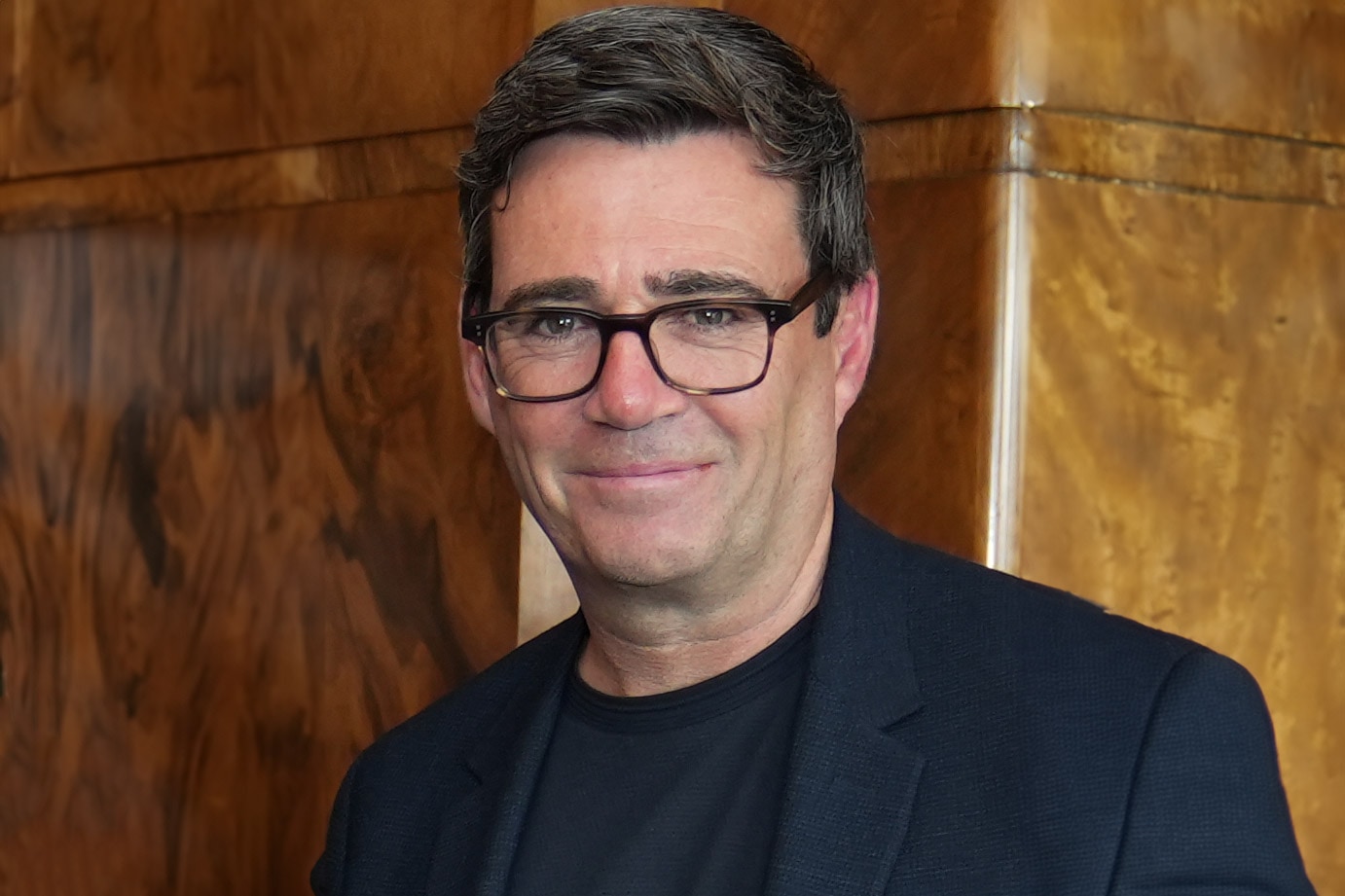 Andy Burnham
 artificial intelligence
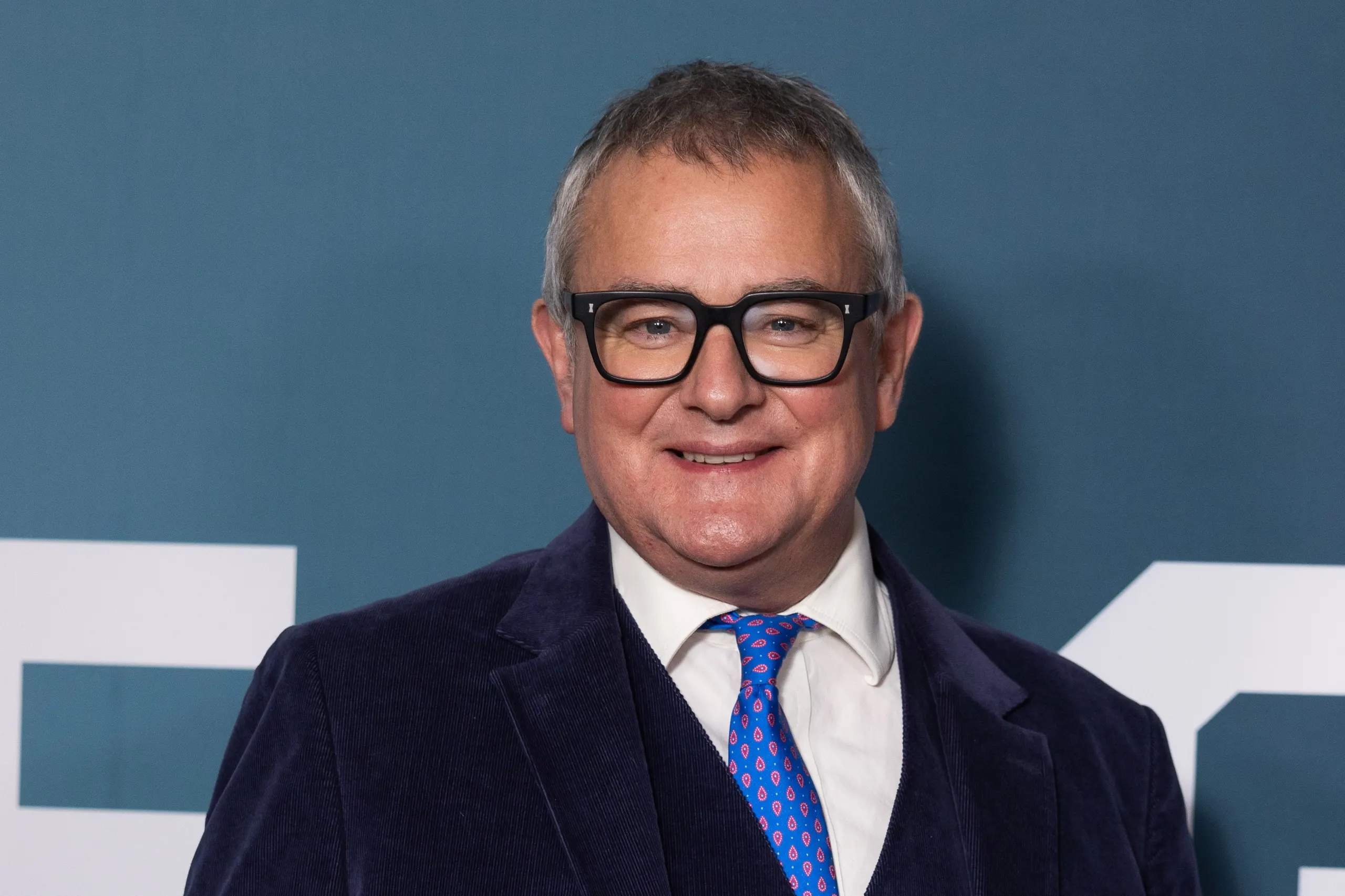 Hugh Bonneville
 Matt Lucas
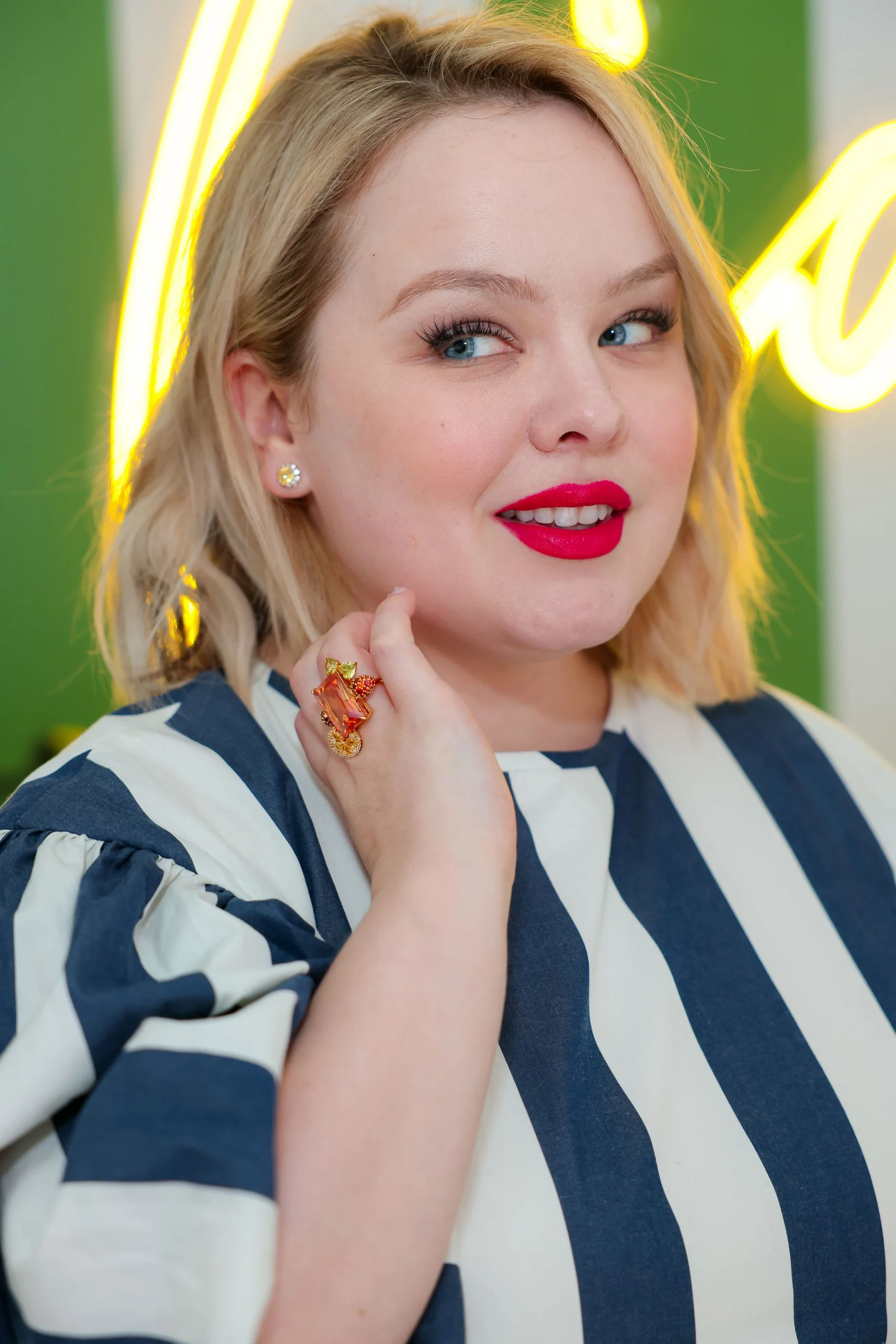 Nicola Coughlan
About this story +
Research and drafting assisted by iFANN Intelligence
- Voice cloning tools can now create a passable copy of a person's speech from just a few seconds of audio, and high-quality replicas require only a few hours of recordings, according to the BBC.confirmed
- That technical leap has pushed a coalition of British performers, led by Matt Lucas, Hugh Bonneville and Nicola Coughlan, to demand that the government give every UK citizen a legal right to own their voice.confirmed
- On Thursday, the actors and more than 80 other signatories wrote to Prime Minister Andy Burnham urging legislation that would protect voices from being used by AI without consent.confirmed
- The campaign, called Save Our Voices Now, also includes Derry Girls actor Siobhán McSweeney, singer Sandi Thom, and audiobook narrator Alice Sockett, who co-founded the initiative.confirmed
- Sockett described voice cloning as "an existential threat to our entire industry" and said her own voice is "out there in the public domain but completely unprotected."confirmed
- The campaign has also launched a petition on Gov.uk asking for everyone in Britain to be given ownership of their voice as part of their statutory rights.confirmed
- The letter comes months after legal experts warned that UK legislation has become "unfit for purpose" in the face of AI advances.confirmed
- Dr Mathilde Pavis, a specialist in intellectual property law, said in June that "the law comes close, but it doesn't fully protect your voice, your face or your identity."confirmed
- A government spokesperson told the BBC that digital replicas "can be a powerful tool, including for the creative industries," but acknowledged the potential for harm.confirmed
- "We value and protect human creators, and that is why we have announced we will launch a consultation on how we address these harms, while protecting legitimate innovation," the spokesperson said.confirmed
- The campaign also points to a broader security concern, claiming that 28% of UK adults report having been targeted by a voice-cloning scam.confirmed
- Founder Peter Caulfield said that "in just three seconds, with the right AI system, your voice can be cloned, stolen and reinterpreted without your knowledge."confirmed
- Yvonne Johnson, who lost her voice to motor neurone disease, told the BBC in February that having it cloned by AI had "totally blown her mind" and brought her closer to her family.confirmed
- Pam Cronrath from Washington state used similar technology to create a holographic representation of her deceased husband for his funeral.confirmed
- The government has not yet committed to legislation, but the consultation announced by the spokesperson is expected to examine how to address harms while protecting legitimate uses of AI.confirmed
- For the performers behind Save Our Voices Now, the central demand is clear: no voice should be used without consent.confirmed
- Not everyone sees voice cloning as a threat.confirmed