Household energy bills hit three-year high as Ofgem raises price cap 4%
EDF projects the price cap will remain near £1,786 at the end of the decade, prompting calls for transparency from the regulator and government.
Household energy bills in Great Britain will remain stubbornly high through the end of the decade, according to a projection published by EDF on Tuesday. The supplier expects the price cap to sit at £1,786 in 2030, compared with an assumed £1,721 for the final quarter of 2026, even if wholesale gas prices moderate. The forecast was cited by Guardian columnist Nils Pratley in an analysis arguing that Ofgem and ministers must be more open about why costs are not falling.
The projection lands on the same day Ofgem announced a 4% increase in the price cap from 1 October, which will push the typical annual dual-fuel bill to £1,723. The regulator said higher wholesale gas prices, driven by the Iran war, were the main cause. Energy secretary Miatta Fahnbulleh blamed the "fossil fuel price rollercoaster", but Pratley argues that even when gas prices dip, medium-term forecasts show little relief.
EDF warns that "bills still look stubbornly high at the end of the decade". The company calculates that the figure would be £90 lower if the government extends VAT relief on electricity and continues to shift some green levies into general taxation. Even so, the projection undermines former energy secretary Ed Miliband's promise of £300 off bills by 2030, which Pratley describes as "non-operative at this point".
A key reason for the persistence is the growing share of non-commodity costs in the bill. These include grid upgrades, contracts for wind and solar generators, carbon taxes and the warm home discount. On the electricity side, wholesale costs now account for just 30% of the bill, making future prices easier to predict but harder to reduce.
EDF has called for "a radical increase in transparency" and a strategic review of the £70bn transmission investment programme, which works out at roughly £1,000 per person. Pratley notes that Ofgem does not publish medium-term forecasts for customer bills, a stance he says makes the regulator "appear politically captured". EDF recommends that Ofgem publish an independent outlook for energy bills before the end of this year.
The political stakes are rising. Energy UK warned this week that household debt to suppliers could reach £7bn by the end of the year, and Pratley argues a social discount scheme is now urgent. Shadow energy secretary Claire Coutinho has complained that the government never published a "full system cost" analysis, and the Conservatives last week endorsed a report from the Onward thinktank that imagines more nuclear and gas in the generation mix after 2030.
Fahnbulleh faces pressure from Labour backbenchers to recommit to a 95% clean power target by 2030, but Pratley says building delays mean the outcome will be closer to 80-85%. He argues the priority must be controlling costs, and that "the political challenges would be made easier with greater transparency".
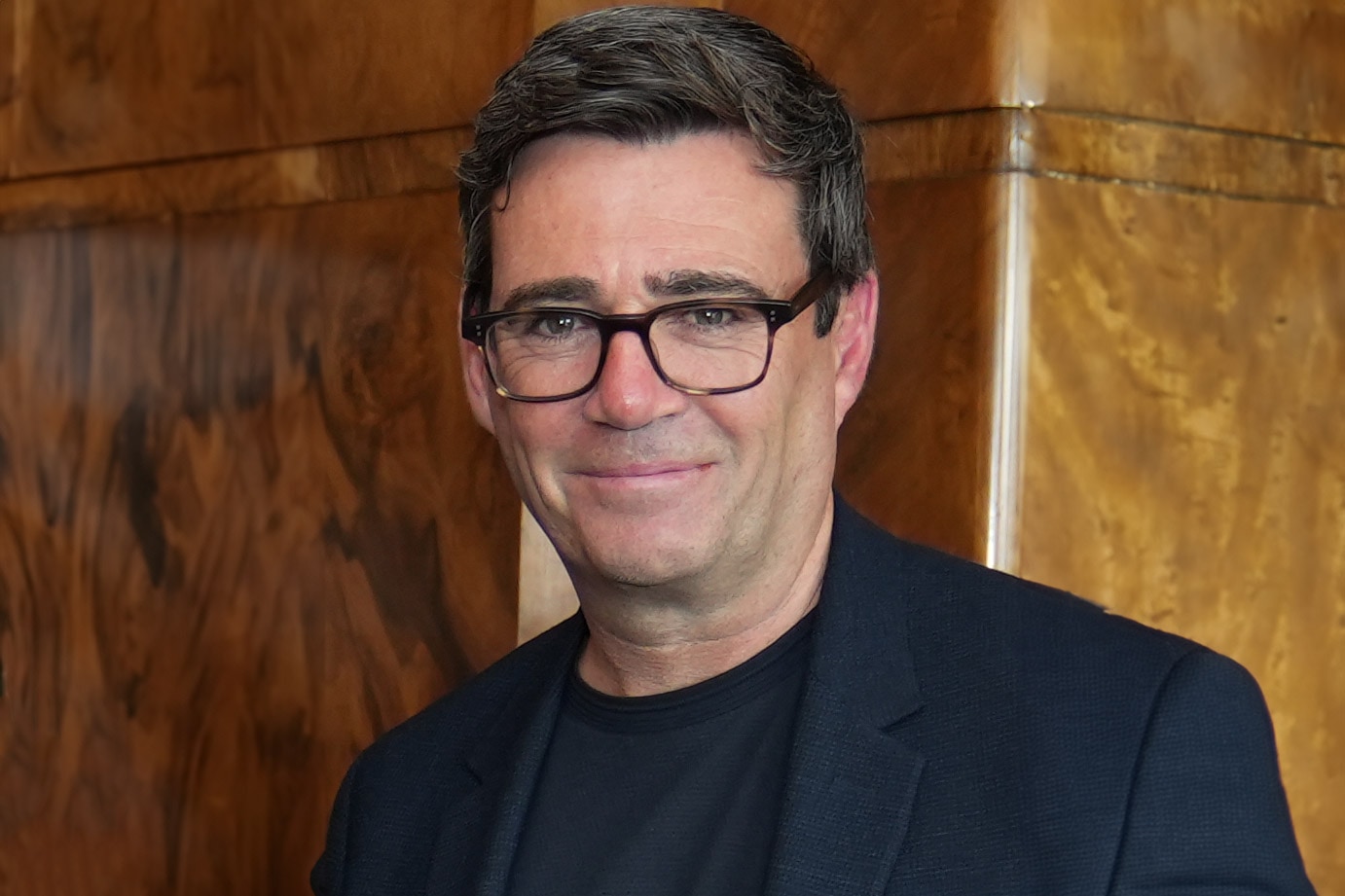 Andy Burnham
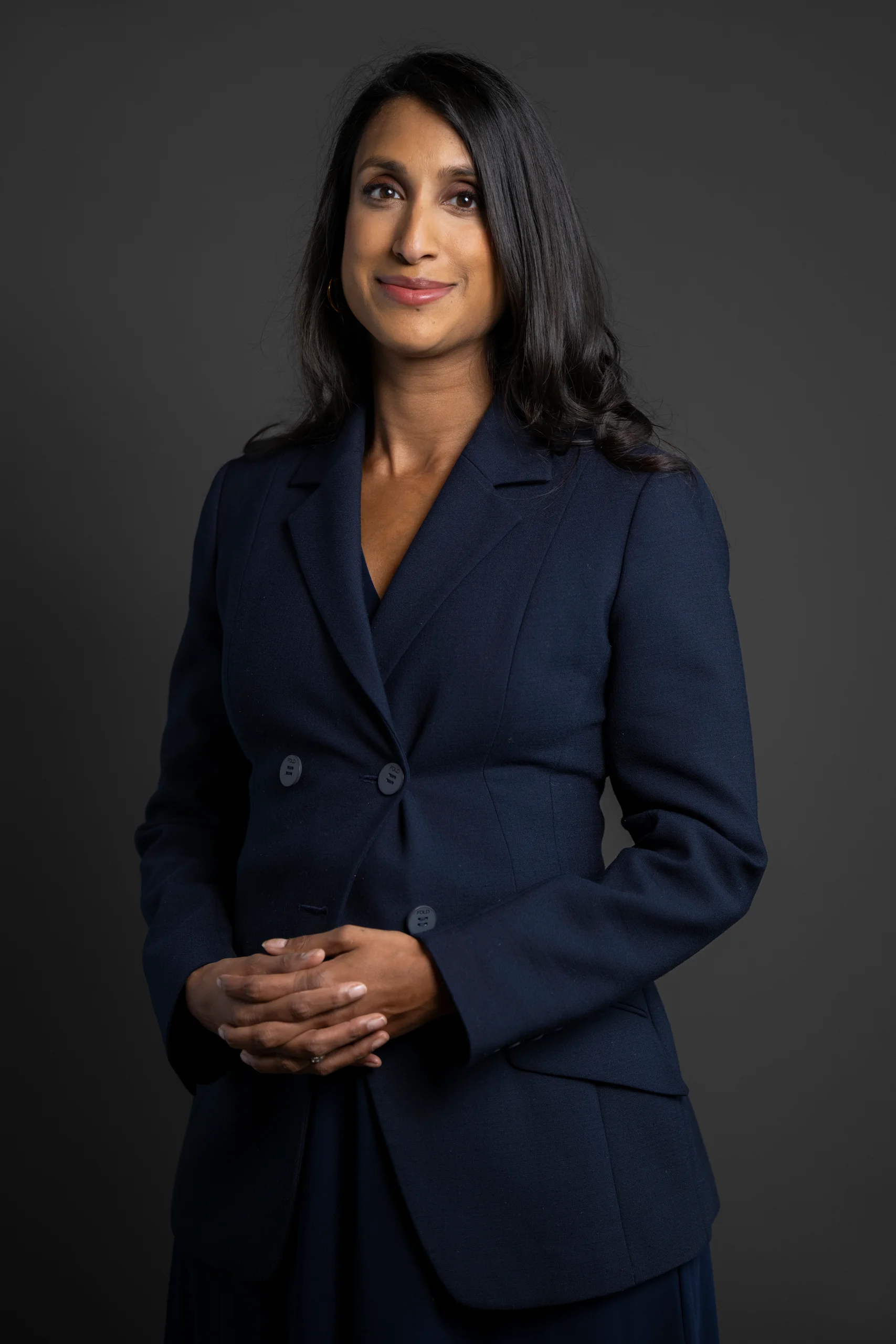 Claire Coutinho
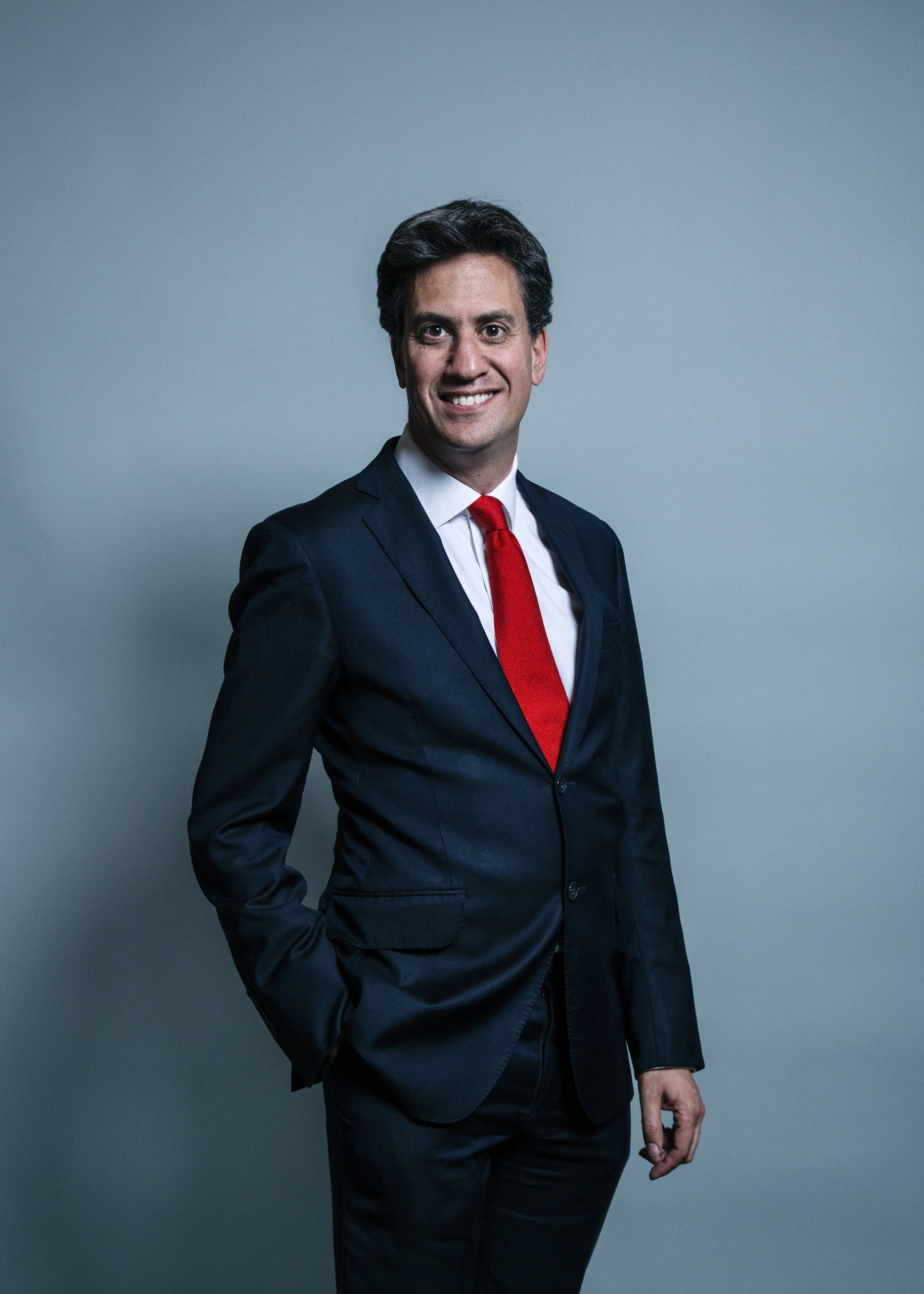 Ed Miliband
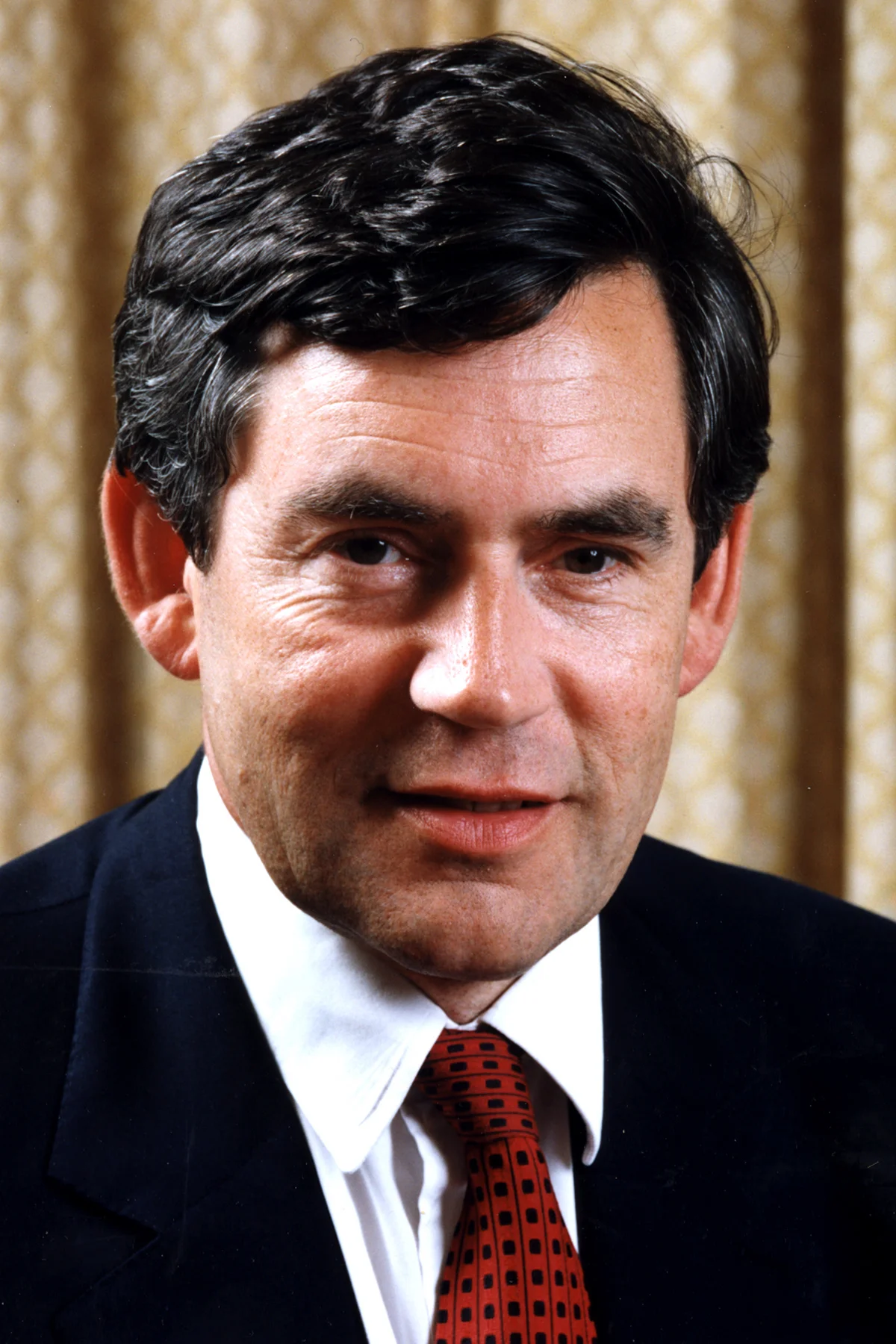 Gordon Brown
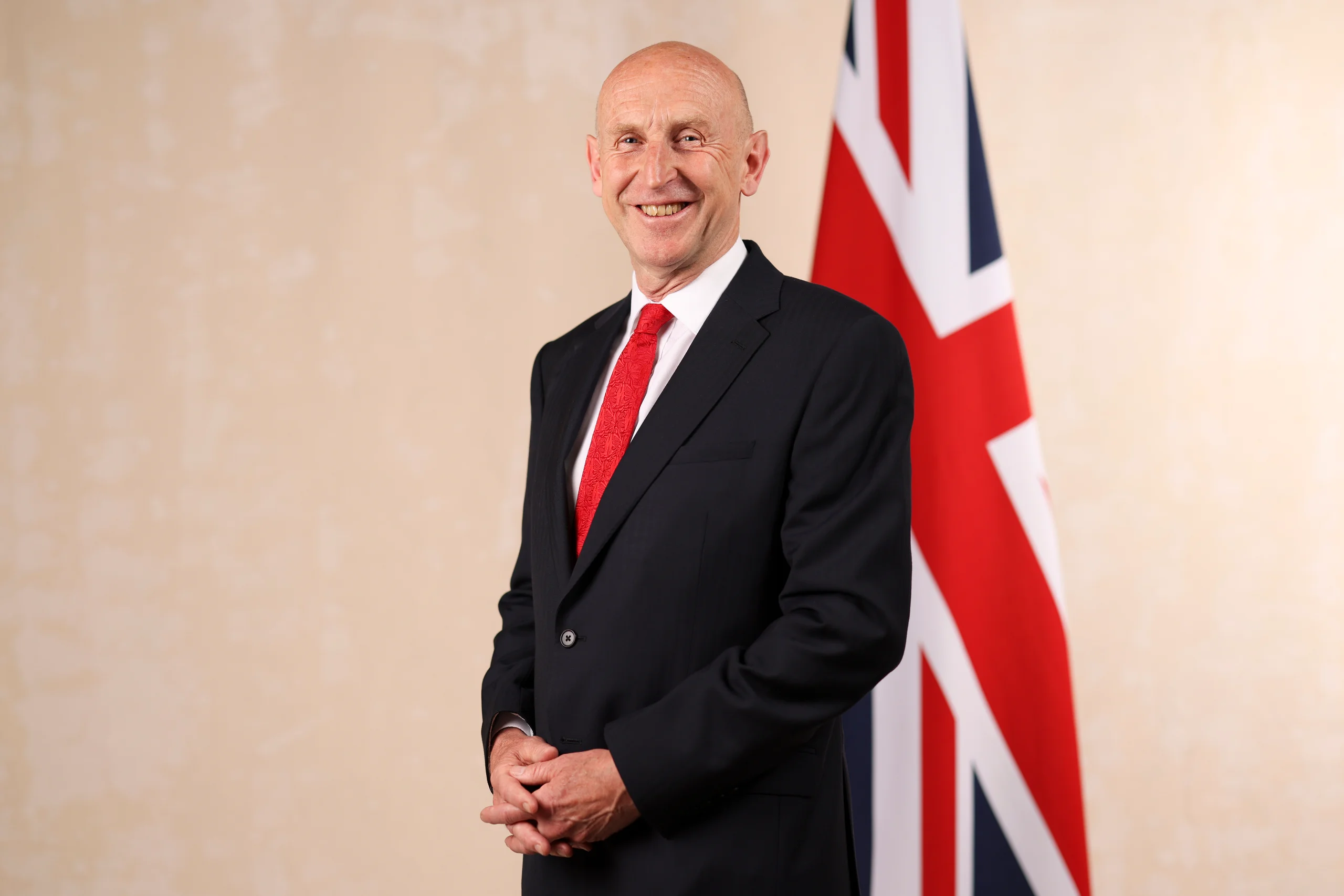 John Healey
 Miatta Fahnbulleh
 Ofgem
Ofgem Politics
About this story +
Research and drafting assisted by iFANN Intelligence
- Labour’s energy bills crisis is getting worse. Political honesty is essential | Nils Pratley: The Guardian · Business
- Why high energy bills look like they are here to stay: BBC Business
- Household energy bills to hit three-year high as Ofgem announces 4% rise from October: BBC Business
- No more UK energy bills support likely before price cap rise: The Guardian · Politics
- linkedin.com
- Household energy bills in Great Britain will remain stubbornly high through the end of the decade, according to a projection published by EDF on Tuesday.confirmed
- The supplier expects the price cap to sit at £1,786 in 2030, compared with an assumed £1,721 for the final quarter of 2026, even if wholesale gas prices moderate.confirmed
- The forecast was cited by Guardian columnist Nils Pratley in an analysis arguing that Ofgem and ministers must be more open about why costs are not falling.confirmed
- The projection lands on the same day Ofgem announced a 4% increase in the price cap from 1 October, which will push the typical annual dual-fuel bill to £1,723.confirmed
- The regulator said higher wholesale gas prices, driven by the Iran war, were the main cause.confirmed
- Energy secretary Miatta Fahnbulleh blamed the "fossil fuel price rollercoaster", but Pratley argues that even when gas prices dip, medium-term forecasts show little relief.confirmed
- EDF warns that "bills still look stubbornly high at the end of the decade".confirmed
- The company calculates that the figure would be £90 lower if the government extends VAT relief on electricity and continues to shift some green levies into general taxation.confirmed
- Even so, the projection undermines former energy secretary Ed Miliband's promise of £300 off bills by 2030, which Pratley describes as "non-operative at this point".confirmed
- A key reason for the persistence is the growing share of non-commodity costs in the bill.confirmed
- These include grid upgrades, contracts for wind and solar generators, carbon taxes and the warm home discount.confirmed
- On the electricity side, wholesale costs now account for just 30% of the bill, making future prices easier to predict but harder to reduce.confirmed
- EDF has called for "a radical increase in transparency" and a strategic review of the £70bn transmission investment programme, which works out at roughly £1,000 per person.confirmed
- Pratley notes that Ofgem does not publish medium-term forecasts for customer bills, a stance he says makes the regulator "appear politically captured".confirmed
- EDF recommends that Ofgem publish an independent outlook for energy bills before the end of this year.confirmed
- Energy UK warned this week that household debt to suppliers could reach £7bn by the end of the year, and Pratley argues a social discount scheme is now urgent.confirmed
- Shadow energy secretary Claire Coutinho has complained that the government never published a "full system cost" analysis, and the Conservatives last week endorsed a report from the Onward thinktank that imagines more nuclear and gas in the generation mix after 2030.confirmed
- Fahnbulleh faces pressure from Labour backbenchers to recommit to a 95% clean power target by 2030, but Pratley says building delays mean the outcome will be closer to 80-85%.confirmed
- He argues the priority must be controlling costs, and that "the political challenges would be made easier with greater transparency".confirmed