Guardian editorial urges government support for vulnerable households as energy debt hits record £6bn
An editorial in The Guardian says vulnerable households need short-term financial help while the government invests in renewables, as soaring prices push energy debt to record levels.
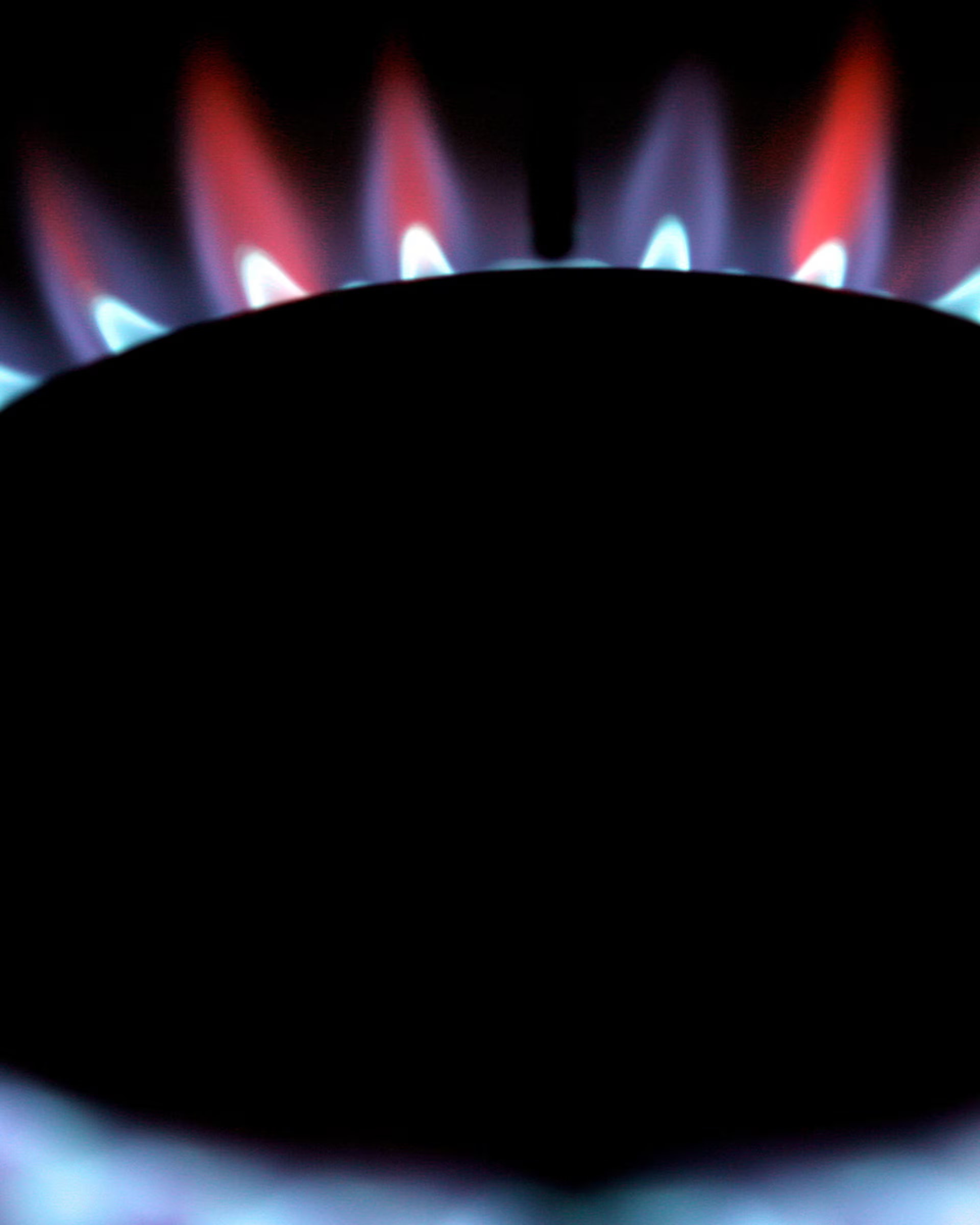
British households owed energy suppliers a record £6bn by the end of June, a figure The Guardian says is on course to hit £7bn by the end of the year as the government's price cap rises to a three-year high in October. The newspaper's editorial board, writing on Wednesday, argued that the human cost will be measured in people regularly choosing whether to skip meals, ignore other bills or stay cold this winter. It called for immediate financial support for vulnerable households, alongside longer-term investment in renewable energy and heat pumps.
The editorial links the debt surge to the consequences of Donald Trump's war on Iran, which has driven up global gas prices. Ofgem announced on Wednesday that the energy price cap will rise by 4% from 1 October, the second increase in three months, taking a typical annual dual-fuel bill to £1,723. The prime minister, Andy Burnham, acknowledged the rise was "difficult for people and I recognise that", but stopped short of promising further help beyond a VAT cut on electricity bills announced in his first week in office. That cut saves the average household about £45 a year, according to the Guardian's Thursday briefing, and is more than wiped out by the latest price cap increase.
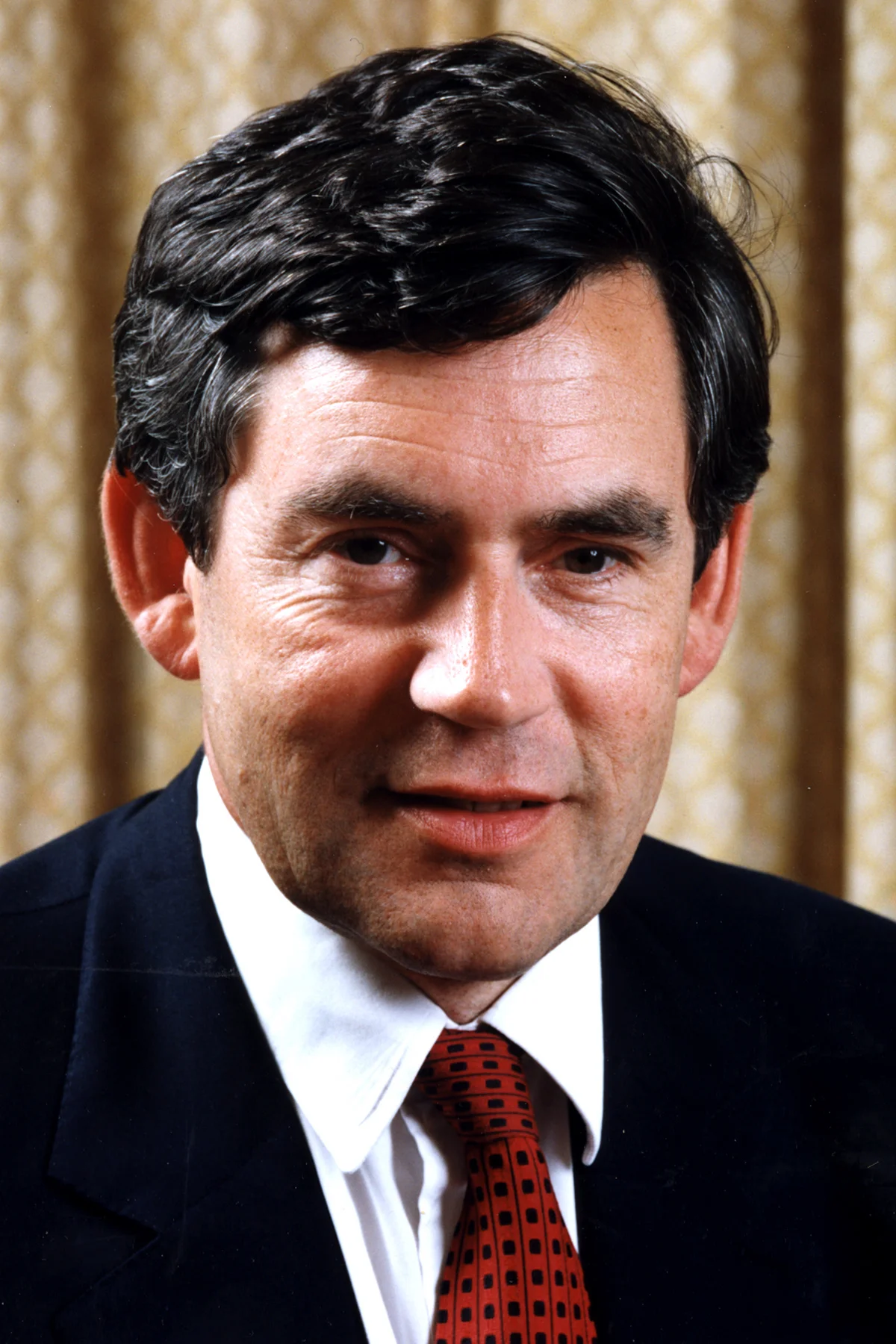
The editorial says the warm homes discount for vulnerable households has risen by only £10 since it was set at £140 in 2011, and calls for a new social discount scheme to insulate the less well off from financial pressures. It suggests boosting emergency crisis and resilience funds run by local councils, and notes that Gordon Brown has proposed funding this through a new betting and gaming tax, while the Trades Union Congress has lobbied for a windfall tax on banks.
Calls for transparency and targeted support
The editorial's call for immediate help is echoed by the Resolution Foundation thinktank, which has proposed a £2bn emergency scheme that would cut annual bills by up to £175 for 40% of households, restricted to those earning £24,000 a year or less. The thinktank's chief executive, Ruth Curtice, said the October rise had been "tempered but not avoided" by the VAT cut, and warned of a real risk of further rises in January. The Guardian's editorial also argues that the government should shift more environmental costs from household bills into general taxation, citing research that some low-income households spend three times more of their net income on levies than wealthier ones.
A separate Guardian analysis by Nils Pratley, published the same day, called for Ofgem and ministers to be transparent about why bills are expected to stay stubbornly high. EDF has projected the price cap will be £1,786 in 2030, even with some moderation in wholesale prices, because non-commodity costs such as grid upgrades and green levies now make up 70% of the electricity bill. Pratley wrote that Ofgem's refusal to publish medium-term forecasts makes the regulator "appear politically captured", and said a social discount scheme is now urgent.
“A new social discount scheme is desperately required, which can properly insulate the less well off from financial pressures that neither they nor the government can control.”
: The Guardian editorial
The editorial warns that the Conservatives and Reform UK are exploiting high energy costs to create dividing lines over the green transition, and says the government's approach needs to become "bigger and bolder". It notes that a further, bigger spike in the price cap is predicted for January if market volatility continues.
 Andy Burnham
 Donald Trump
 Gordon Brown
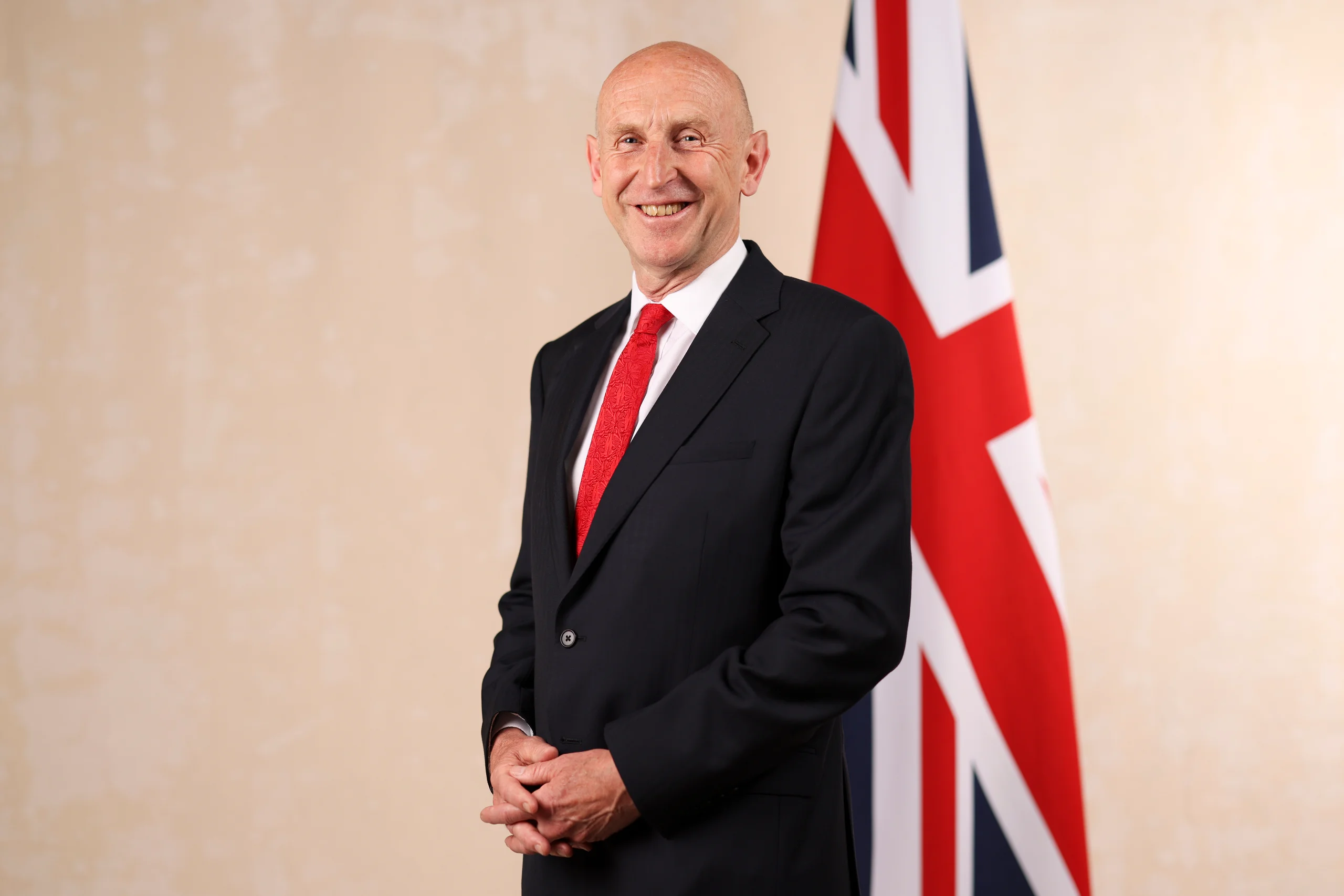 John Healey
 Ofgem
Ofgem Politics
 The Guardian
About this story +
Research and drafting assisted by iFANN Intelligence
- British households owed energy suppliers a record £6bn by the end of June, a figure The Guardian says is on course to hit £7bn by the end of the year as the government's price cap rises to a three-year high in October.confirmed
- The newspaper's editorial board, writing on Wednesday, argued that the human cost will be measured in people regularly choosing whether to skip meals, ignore other bills or stay cold this winter.confirmed
- It called for immediate financial support for vulnerable households, alongside longer-term investment in renewable energy and heat pumps.confirmed
- The editorial links the debt surge to the consequences of Donald Trump's war on Iran, which has driven up global gas prices.confirmed
- Ofgem announced on Wednesday that the energy price cap will rise by 4% from 1 October, the second increase in three months, taking a typical annual dual-fuel bill to £1,723.confirmed
- The prime minister, Andy Burnham, acknowledged the rise was "difficult for people and I recognise that", but stopped short of promising further help beyond a VAT cut on electricity bills announced in his first week in office.confirmed
- That cut saves the average household about £45 a year, according to the Guardian's Thursday briefing, and is more than wiped out by the latest price cap increase.confirmed
- The editorial says the warm homes discount for vulnerable households has risen by only £10 since it was set at £140 in 2011, and calls for a new social discount scheme to insulate the less well off from financial pressures.confirmed
- It suggests boosting emergency crisis and resilience funds run by local councils, and notes that Gordon Brown has proposed funding this through a new betting and gaming tax, while the Trades Union Congress has lobbied for a windfall tax on banks.confirmed
- The editorial's call for immediate help is echoed by the Resolution Foundation thinktank, which has proposed a £2bn emergency scheme that would cut annual bills by up to £175 for 40% of households, restricted to those earning £24,000 a year or less.confirmed
- The thinktank's chief executive, Ruth Curtice, said the October rise had been "tempered but not avoided" by the VAT cut, and warned of a real risk of further rises in January.confirmed
- The Guardian's editorial also argues that the government should shift more environmental costs from household bills into general taxation, citing research that some low-income households spend three times more of their net income on levies than wealthier ones.confirmed
- A separate Guardian analysis by Nils Pratley, published the same day, called for Ofgem and ministers to be transparent about why bills are expected to stay stubbornly high.confirmed
- EDF has projected the price cap will be £1,786 in 2030, even with some moderation in wholesale prices, because non-commodity costs such as grid upgrades and green levies now make up 70% of the electricity bill.confirmed
- Pratley wrote that Ofgem's refusal to publish medium-term forecasts makes the regulator "appear politically captured", and said a social discount scheme is now urgent.confirmed
- The editorial warns that the Conservatives and Reform UK are exploiting high energy costs to create dividing lines over the green transition, and says the government's approach needs to become "bigger and bolder".confirmed
- It notes that a further, bigger spike in the price cap is predicted for January if market volatility continues.confirmed