G7 agrees to release up to 100 million barrels of oil and diesel
The coordinated release, coordinated by the IEA, aims to curb soaring fuel prices and avert a US diesel export ban.
The Group of Seven industrial nations agreed on Friday to release up to 100 million barrels of crude oil and diesel from their emergency reserves over the next four months, a coordinated effort to ease fuel prices that have reached record highs in several member countries. The decision followed a videoconference of leaders chaired by French President Emmanuel Macron, who said the release would be coordinated through the International Energy Agency (IEA) with an emphasis on diesel.
Under the plan, G7 members and partners will front-load a "substantial" diesel release within the first 20 days, with the remainder of the 100 million barrels to follow over the four-month period. The G7 statement said leaders would implement the release "immediately," and ministers would discuss "additional diesel releases as necessary" in the coming days. The group also agreed to coordinate refinery maintenance schedules to avoid simultaneous shutdowns and to encourage increased diesel refining where capacity allows.
The agreement came after weeks of pressure from the United States, where President Donald Trump had threatened to ban diesel exports unless European allies tapped their own stockpiles. Trump said on his Truth Social platform that Europe had "agreed to release a massive amount of their heavily stocked Diesel Oil" and that the process would begin immediately. Speaking later at the White House, Trump said an export ban was "never really on the table" and called Europe's decision "a great thing."
The G7 statement explicitly committed members to avoid "export restrictions on energy and energy products" between themselves, a point Macron said Trump was "very clear" about. The European Commission had earlier said it "fully rejects any ban on diesel," and Commission President Ursula von der Leyen welcomed the G7 decision not to impose export bans on allies.
The release follows a March IEA action in which member countries agreed to release 400 million barrels of crude oil to calm markets after the start of the Iran war. Some analysts noted that the new 100 million barrels may help complete those March commitments rather than represent an entirely additional tranche. Raymond James analyst Pavel Molchanov said the statement pushed US oil prices down 2% but that "the impact was lessened by lack of clarity" on whether the barrels were additional to the earlier pledge.
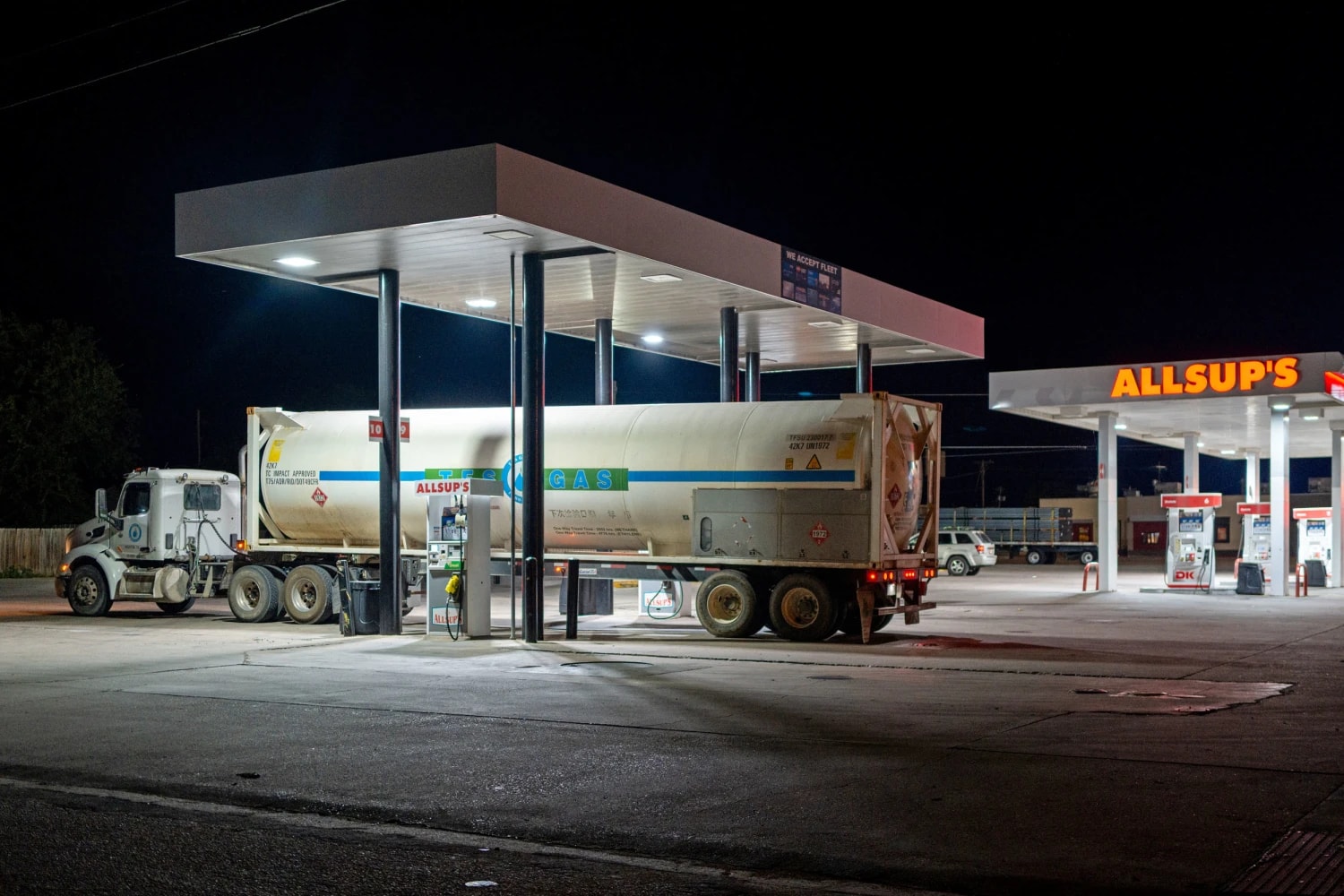
Diesel prices have surged worldwide because of refinery outages in the Middle East, Russian export restrictions after Ukrainian drone strikes on refineries, and reduced Chinese fuel exports. In the United States, diesel averaged $6.37 per gallon on Friday, according to AAA, after hitting a record $6.52 on September 22. In the United Kingdom, average pump prices topped £2 per litre for the first time on Friday. Brent crude oil traded around $102 per barrel by Friday evening, up from about $73 before the US and Israel invaded Iran.
Analysts warned that the release addresses supply but not refinery capacity. "A release of 100 million barrels of diesel fuel over four months would essentially replace Russian exports which have been banned," said Andy Lipow of Lipow Oil Associates, adding that it "could temporarily reduce diesel prices by 25 cents per gallon but does little to increase refinery capacity to produce more." Jim Krane of Rice University's Baker Institute cautioned that draining stocks now "will reduce retail fuel prices for a while, at the cost of leaving Europe with less emergency cover."
Trump's push for the release came as Republicans face poor polling on the economy ahead of the November 3 midterm elections. According to the most recent NBC News poll, 41% of registered voters approve of Trump's handling of the economy, while 56% disapprove. The president has repeatedly said the higher fuel costs are worth it to prevent Iran from obtaining nuclear weapons.
 Donald Trump
 Emmanuel Macron
 G7
G7 Politics
 Ursula von der Leyen
About this story +
Research and drafting assisted by iFANN Intelligence
- G7 countries agree to release up to 100 million barrels of diesel and crude oil in bid to stop soaring prices https://t.co/sybnSJd9JT: BBC Breaking (X)
- G7 to release up to 100m barrels of emergency oil and diesel reserves: The Guardian · Business
- G7 to release 100 million barrels of oil and diesel after Trump export ban threat: BBC Business
- G7 to release 100 million barrels of diesel and other reserves through IEA https://t.co/BlDMjVTvsa https://t.co/BlDMjVTvsa: Reuters (X)
- G7 to release 100 million barrels of diesel and other reserves through IEA https://t.co/LKd7nGu5hY https://t.co/LKd7nGu5hY: Reuters (X)
- nbcnews.com
- ca.finance.yahoo.com
- washingtonpost.com
- oilprice.com
- The Group of Seven industrial nations agreed on Friday to release up to 100 million barrels of crude oil and diesel from their emergency reserves over the next four months, a coordinated effort to ease fuel prices that have reached record highs in several member countries.confirmed
- The decision followed a videoconference of leaders chaired by French President Emmanuel Macron, who said the release would be coordinated through the International Energy Agency (IEA) with an emphasis on diesel.confirmed
- Under the plan, G7 members and partners will front-load a "substantial" diesel release within the first 20 days, with the remainder of the 100 million barrels to follow over the four-month period.confirmed
- The G7 statement said leaders would implement the release "immediately," and ministers would discuss "additional diesel releases as necessary" in the coming days.confirmed
- The group also agreed to coordinate refinery maintenance schedules to avoid simultaneous shutdowns and to encourage increased diesel refining where capacity allows.confirmed
- The agreement came after weeks of pressure from the United States, where President Donald Trump had threatened to ban diesel exports unless European allies tapped their own stockpiles.confirmed
- Trump said on his Truth Social platform that Europe had "agreed to release a massive amount of their heavily stocked Diesel Oil" and that the process would begin immediately.confirmed
- Speaking later at the White House, Trump said an export ban was "never really on the table" and called Europe's decision "a great thing."confirmed
- The G7 statement explicitly committed members to avoid "export restrictions on energy and energy products" between themselves, a point Macron said Trump was "very clear" about.confirmed
- The European Commission had earlier said it "fully rejects any ban on diesel," and Commission President Ursula von der Leyen welcomed the G7 decision not to impose export bans on allies.confirmed
- The release follows a March IEA action in which member countries agreed to release 400 million barrels of crude oil to calm markets after the start of the Iran war.confirmed
- Some analysts noted that the new 100 million barrels may help complete those March commitments rather than represent an entirely additional tranche.confirmed
- Raymond James analyst Pavel Molchanov said the statement pushed US oil prices down 2% but that "the impact was lessened by lack of clarity" on whether the barrels were additional to the earlier pledge.confirmed
- Diesel prices have surged worldwide because of refinery outages in the Middle East, Russian export restrictions after Ukrainian drone strikes on refineries, and reduced Chinese fuel exports.confirmed
- In the United States, diesel averaged $6.37 per gallon on Friday, according to AAA, after hitting a record $6.52 on September 22.confirmed
- In the United Kingdom, average pump prices topped £2 per litre for the first time on Friday.confirmed
- Brent crude oil traded around $102 per barrel by Friday evening, up from about $73 before the US and Israel invaded Iran.confirmed
- Analysts warned that the release addresses supply but not refinery capacity.confirmed
- "A release of 100 million barrels of diesel fuel over four months would essentially replace Russian exports which have been banned," said Andy Lipow of Lipow Oil Associates, adding that it "could temporarily reduce diesel prices by 25 cents per gallon but does little to increase refinery capacity to produce more."confirmed
- Jim Krane of Rice University's Baker Institute cautioned that draining stocks now "will reduce retail fuel prices for a while, at the cost of leaving Europe with less emergency cover."confirmed
- Trump's push for the release came as Republicans face poor polling on the economy ahead of the November 3 midterm elections.confirmed
- According to the most recent NBC News poll, 41% of registered voters approve of Trump's handling of the economy, while 56% disapprove.confirmed
- The president has repeatedly said the higher fuel costs are worth it to prevent Iran from obtaining nuclear weapons.confirmed