Fed chair Warsh signals rate hikes possible if inflation stays high
Kevin Warsh used his first Jackson Hole speech to say the central bank has 'work to do' unless underlying inflation returns clearly to its 2% target.
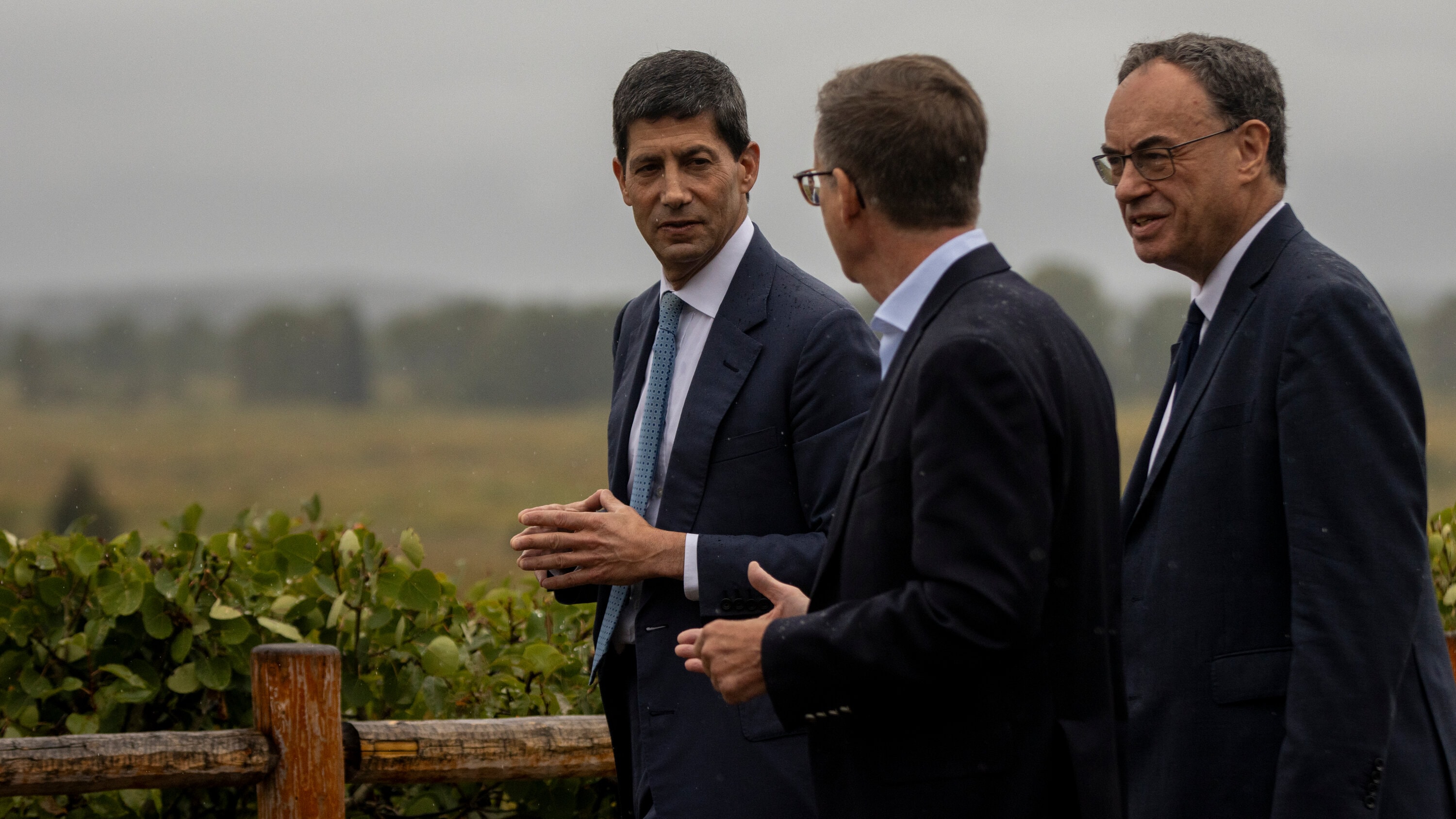
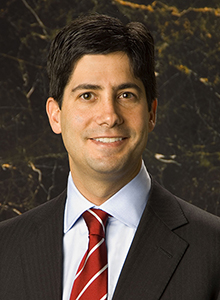
American borrowers face the prospect of higher interest rates after Federal Reserve Chair Kevin Warsh warned on Friday that the central bank has "work to do" if price pressures do not ease. Speaking at the annual Jackson Hole Economic Policy Symposium in Wyoming, Warsh said policymakers must be confident that underlying inflation is moving clearly and quickly toward the Fed's 2% objective.
The remarks were his first substantive comments on the economy since taking office in May, and markets read them as a signal that the Fed could raise borrowing costs as soon as its next meeting on 15-16 September. Warsh stressed that his words should not be treated as forward guidance, but he left little doubt about his priorities. "Given prices are rising by more than 2% on an annual basis, the Fed's predominant focus right now should be on prices," he said.
Inflation stood at 3.4% in the year to July, down from a three-year high of 4.2% in May but still well above target. A separate measure closely watched by the Fed is running at 3.7%. Warsh acknowledged that summer readings had come in better than expected, but said they did not show that "underlying trends have meaningfully improved."
“Here is my standard: We must be confident that underlying inflation is moving to our objective, clearly and at sufficient speed. Otherwise, we have work to do.”
: Kevin Warsh, Federal Reserve Chair
The rates market reacted immediately. According to CME data cited by the BBC, expectations of a September rate rise grew following Warsh's remarks. Analysts at Capital Economics described the speech as delivering a "far clearer - and hawkish - message" that left "the door open to a hike" earlier than previously expected.
Warsh's stance puts him on a potential collision course with President Donald Trump, who appointed him in May and has repeatedly called for lower rates. Trump previously said rate hikes "just keeps the country down." With mid-term elections looming and voters concerned about affordability, the White House reaction to any tightening will be closely watched.
The Fed has held its benchmark rate between 3.5% and 3.75% for five consecutive meetings. At the last gathering in July, three of the 12 voting members dissented in favor of a quarter-point increase, the first time in a decade that so many policymakers broke with the majority. Warsh did not indicate which way he would lean, but his Jackson Hole message was unambiguous: price stability comes first.
He also used the speech to distance himself from the forward guidance approach adopted after the 2008 financial crisis, saying the practice had "overstayed its welcome." Oversharing policy deliberations, he argued, can lead markets, businesses, and households astray and inhibit the Fed's "freedom to make the right calls when it's time to decide."
 Adam Federici
 Donald Trump
 Federal Reserve
 Finance
 Kevin Warsh
 Politics
About this story +
Research and drafting assisted by iFANN Intelligence
- Fed has 'work to do' if price rises don't ease for Americans, Warsh says: BBC Business
- Fed chair says delivering ‘stable prices’ is central bank’s job as inflation persists: The Guardian · Business
- Fed Chair Kevin Warsh says the central bank may need to raise rates if underlying inflation does not return to its 2% target, as financial conditions remain insufficiently restrictive https://t.co/DTj: Reuters (X)
- Kevin Warsh hinted the Fed may need to raise rates to curb inflation, in what Reuters reporter Ann Saphir called his first substantive remarks on the economy since becoming Fed Chair https://t.co/meuD: Reuters (X)
- theguardian.com
- bbc.co.uk
- American borrowers face the prospect of higher interest rates after Federal Reserve Chair Kevin Warsh warned on Friday that the central bank has "work to do" if price pressures do not ease.confirmed
- Speaking at the annual Jackson Hole Economic Policy Symposium in Wyoming, Warsh said policymakers must be confident that underlying inflation is moving clearly and quickly toward the Fed's 2% objective.confirmed
- The remarks were his first substantive comments on the economy since taking office in May, and markets read them as a signal that the Fed could raise borrowing costs as soon as its next meeting on 15-16 September.confirmed
- Warsh stressed that his words should not be treated as forward guidance, but he left little doubt about his priorities.confirmed
- "Given prices are rising by more than 2% on an annual basis, the Fed's predominant focus right now should be on prices," he said.confirmed
- Inflation stood at 3.4% in the year to July, down from a three-year high of 4.2% in May but still well above target.confirmed
- A separate measure closely watched by the Fed is running at 3.7%.confirmed
- Warsh acknowledged that summer readings had come in better than expected, but said they did not show that "underlying trends have meaningfully improved."confirmed
- The rates market reacted immediately.confirmed
- According to CME data cited by the BBC, expectations of a September rate rise grew following Warsh's remarks.confirmed
- Analysts at Capital Economics described the speech as delivering a "far clearer - and hawkish - message" that left "the door open to a hike" earlier than previously expected.confirmed
- Warsh's stance puts him on a potential collision course with President Donald Trump, who appointed him in May and has repeatedly called for lower rates.confirmed
- Trump previously said rate hikes "just keeps the country down."confirmed
- With mid-term elections looming and voters concerned about affordability, the White House reaction to any tightening will be closely watched.confirmed
- The Fed has held its benchmark rate between 3.5% and 3.75% for five consecutive meetings.confirmed
- At the last gathering in July, three of the 12 voting members dissented in favor of a quarter-point increase, the first time in a decade that so many policymakers broke with the majority.confirmed
- Warsh did not indicate which way he would lean, but his Jackson Hole message was unambiguous: price stability comes first.confirmed
- He also used the speech to distance himself from the forward guidance approach adopted after the 2008 financial crisis, saying the practice had "overstayed its welcome."confirmed
- Oversharing policy deliberations, he argued, can lead markets, businesses, and households astray and inhibit the Fed's "freedom to make the right calls when it's time to decide."confirmed