Bathroom mini fridges surge as consumers chill Ozempic and eye creams at home
Luxury appliance maker Sub-Zero & Wolf reports a tenfold demand increase as consumers install mini fridges in bathrooms for GLP-1 drugs and beauty products, though dermatologists call the skincare benefit largely a gimmick.
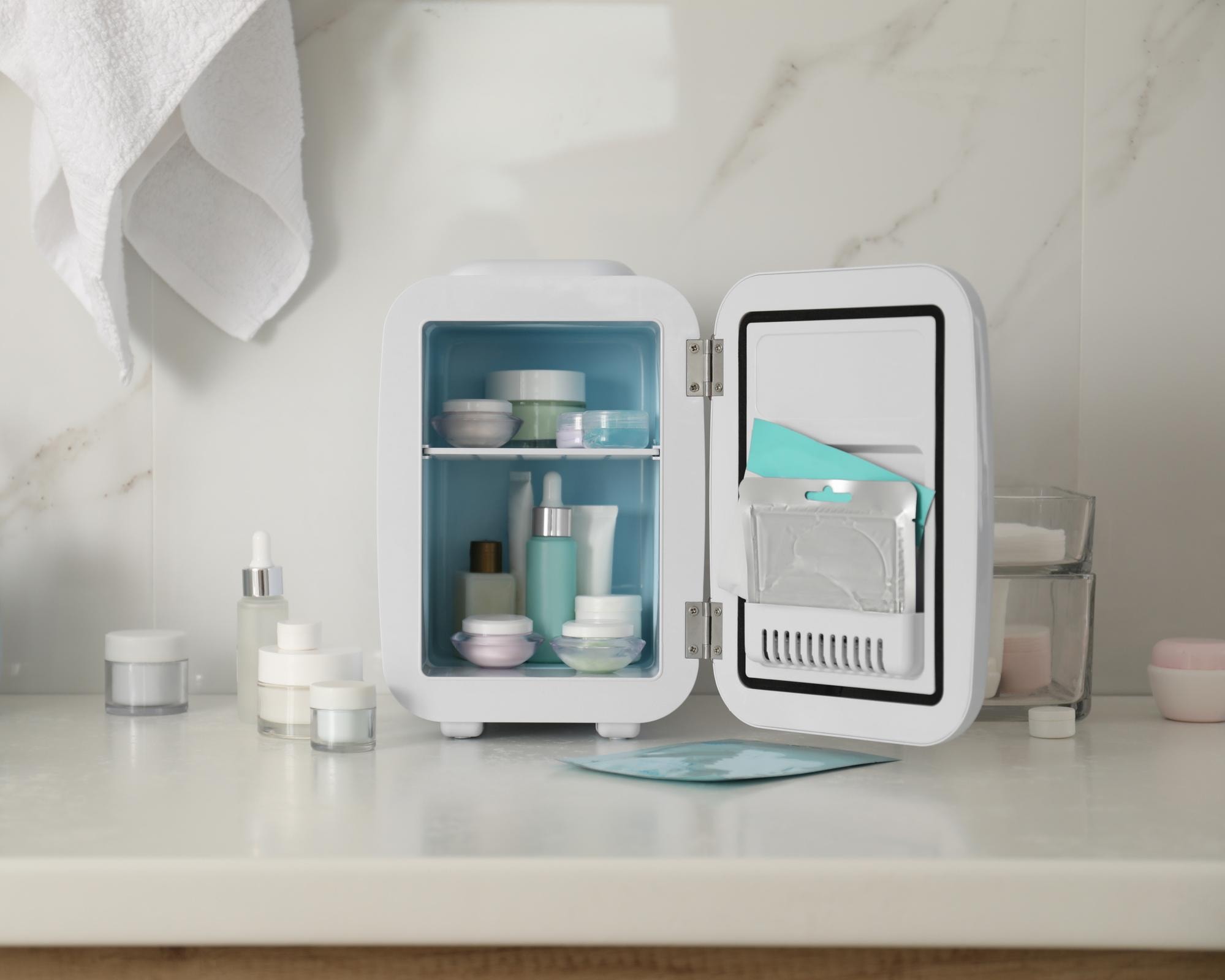
“A mini fridge is a nice-to-have for a handful of actives, and a gimmick for almost everything else,” he said. Vitamin C serums in their active L-ascorbic acid form and retinoids do benefit from refrigeration because they degrade faster in warmth, he explained, but chilled eye creams deliver only a temporary cosmetic effect. “A chilled eye cream will temporarily constrict blood vessels and reduce puffiness. That’s a real effect, but it’s cosmetic and short-lived.”
Sub-Zero & Wolf fridges start at £5,000, yet the trend is also visible at the budget end. Searches for mini fridges on secondhand site Gumtree, where the average unit costs £45, rose 85 per cent between January and June, and online marketplaces list colourful and mirrored models for less than £30. Smeg sells a compact 38-litre version of its retro design for £899.
Gumtree chief executive Nav Dhillon said mini fridges were “moving beyond student halls and hotel rooms to become a lifestyle purchase,” with warmer weather adding to demand. The wider context is a UK wellness industry now worth more than £160 billion, according to the Global Wellness Institute, and a beauty sector that last year saw Britons spend more on beauty than on football matches and gym visits combined. Installation is not straightforward for the average three-piece bathroom.
UK electrical regulations require plug sockets to be at least three metres from a water source, and only sockets with residual current device protection are permitted. Lewis noted that fridges are not advisable for wet rooms and are better suited to larger bathrooms or dressing rooms where there is enough space to dissipate heat and minimise fire risk. Luxury appliance manufacturer Sub-Zero & Wolf says it has seen a tenfold increase in demand for the compact coolers over the past two years, driven by consumers who want their weight-loss injections and high-end face creams within arm’s reach of the bathroom mirror.
Emma Lewis, the company’s marketing manager, told The Guardian that clients are requesting mini fridges for en suites, walk-in wardrobes and home offices. The appliances – which Lewis calls “beverage centres” – were originally designed to chill drinks in at-home bars and gyms. “Nowadays they are more likely to house face creams, jars of supplements, gut health shots and injectables,” she said.
GLP-1 medications such as Ozempic and tirzepatides must be stored in a fridge between 2°C and 8°C before their first use, according to online NHS guidelines. Dermatologist Dr Ariel Haus, founder of Dr Haus Dermatology in London, pushed back on that assumption.
 Beauty
 Gumtree
 Health
 Luxury
 Nav Dhillon
 Skincare
 Smeg
 The Guardian
About this story +
Research and drafting assisted by iFANN Intelligence
- “A mini fridge is a nice-to-have for a handful of actives, and a gimmick for almost everything else,” he said.confirmed
- Vitamin C serums in their active L-ascorbic acid form and retinoids do benefit from refrigeration because they degrade faster in warmth, he explained, but chilled eye creams deliver only a temporary cosmetic effect.confirmed
- “A chilled eye cream will temporarily constrict blood vessels and reduce puffiness. That’s a real effect, but it’s cosmetic and short-lived.”confirmed
- Sub-Zero & Wolf fridges start at £5,000, yet the trend is also visible at the budget end.confirmed
- Searches for mini fridges on secondhand site Gumtree, where the average unit costs £45, rose 85 per cent between January and June, and online marketplaces list colourful and mirrored models for less than £30.confirmed
- Smeg sells a compact 38-litre version of its retro design for £899.confirmed
- Gumtree chief executive Nav Dhillon said mini fridges were “moving beyond student halls and hotel rooms to become a lifestyle purchase,” with warmer weather adding to demand.confirmed
- The wider context is a UK wellness industry now worth more than £160 billion, according to the Global Wellness Institute, and a beauty sector that last year saw Britons spend more on beauty than on football matches and gym visits combined.confirmed
- Installation is not straightforward for the average three-piece bathroom.confirmed
- UK electrical regulations require plug sockets to be at least three metres from a water source, and only sockets with residual current device protection are permitted.confirmed
- Lewis noted that fridges are not advisable for wet rooms and are better suited to larger bathrooms or dressing rooms where there is enough space to dissipate heat and minimise fire risk.confirmed
- Luxury appliance manufacturer Sub-Zero & Wolf says it has seen a tenfold increase in demand for the compact coolers over the past two years, driven by consumers who want their weight-loss injections and high-end face creams within arm’s reach of the bathroom mirror.confirmed
- Emma Lewis, the company’s marketing manager, told The Guardian that clients are requesting mini fridges for en suites, walk-in wardrobes and home offices.confirmed
- The appliances – which Lewis calls “beverage centres” – were originally designed to chill drinks in at-home bars and gyms.confirmed
- “Nowadays they are more likely to house face creams, jars of supplements, gut health shots and injectables,” she said.confirmed
- GLP-1 medications such as Ozempic and tirzepatides must be stored in a fridge between 2°C and 8°C before their first use, according to online NHS guidelines.confirmed
- Dermatologist Dr Ariel Haus, founder of Dr Haus Dermatology in London, pushed back on that assumption.confirmed